Baked Cod With Parmesan Crust
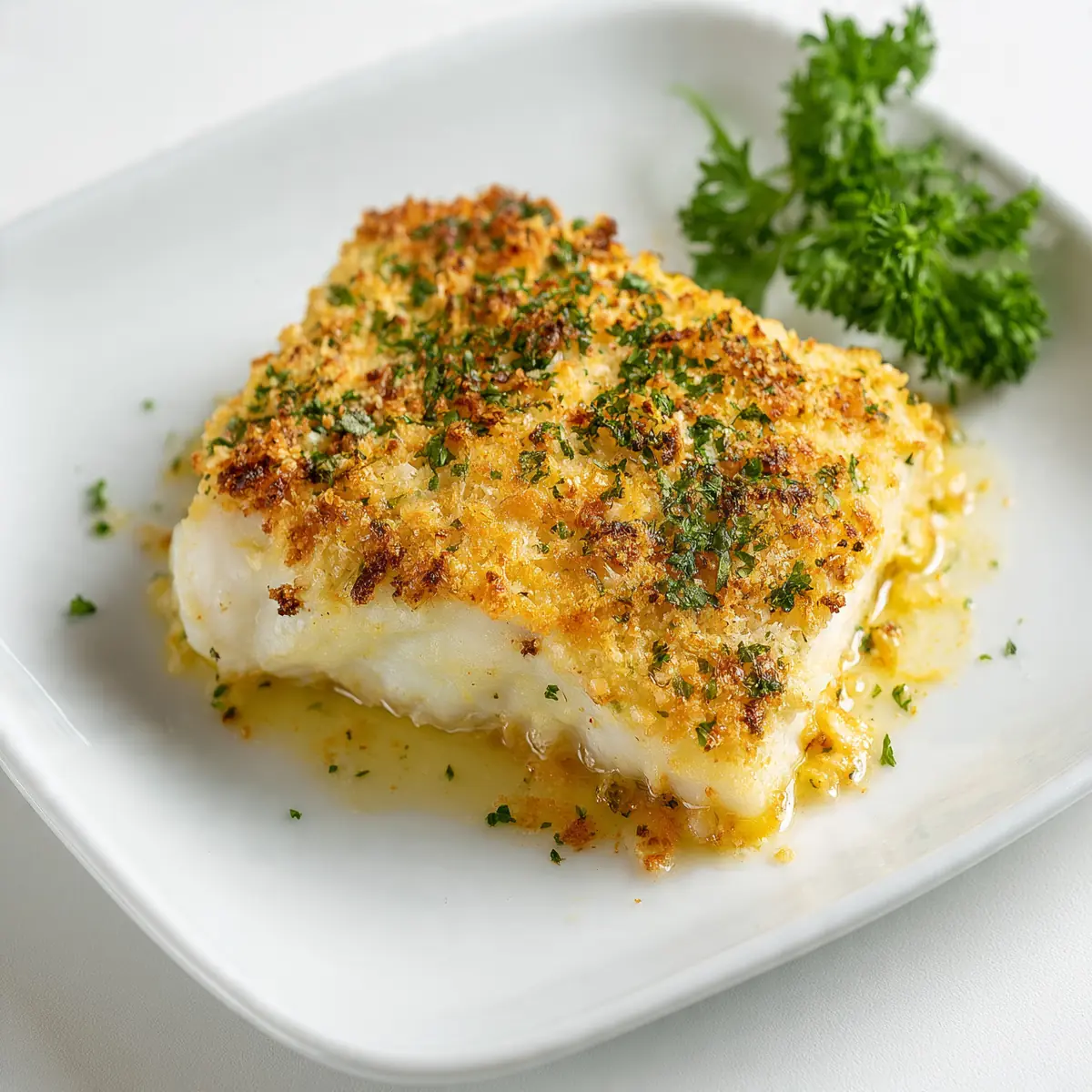
There’s a certain magic that happens when a simple fillet of cod meets a golden, cheesy crust in a hot oven. I remember the first time I made this Baked Cod with Parmesan Crust; it was a Wednesday night, and I needed something that felt special but didn’t require hours in the kitchen. The result was so remarkably good—the fish flaky and tender, the topping crisp and savoury—that it instantly became a staple. Friends always ask me for this recipe after trying it at dinner parties, amazed that something so elegant can be so straightforward. It’s a dish that proves you don’t need complicated techniques to create a memorable meal.
Recipe Overview
- Prep Time: 10 minutes
- Cook Time: 15-18 minutes
- Total Time: 25-28 minutes
- Servings: 4
- Difficulty: Easy
Why You’ll Love This Baked Cod with Parmesan Crust
- It’s a foolproof method for cooking fish, resulting in a moist, flaky interior every single time.
- The parmesan crust adds a wonderful texture and a deep, nutty, savoury flavour that complements the mild cod beautifully.
- The entire dish comes together in under 30 minutes, making it ideal for both busy weeknights and special occasions, while our Easy Weeknight Crockpot Orange Chicken Thighs is perfect for days when you want a set-it-and-forget-it meal.
- It’s naturally low in carbohydrates and packed with lean protein, fitting seamlessly into a balanced diet.
- The recipe is endlessly adaptable; you can change the herbs, add a touch of spice, or use a different firm white fish with equal success.
Ingredients You’ll Need
- 4 cod fillets (about 150-180g each), skinless
- 60g fresh breadcrumbs (from about 2 slices of day-old bread)
- 40g finely grated Parmesan cheese
- 2 tablespoons finely chopped fresh parsley
- 1 teaspoon lemon zest (from 1 lemon)
- 2 cloves garlic, minced
- 3 tablespoons melted unsalted butter
- Salt and freshly ground black pepper, to taste
- 1 tablespoon olive oil, for the baking dish
- Lemon wedges, for serving
Tip: For the best flavour and texture, use a block of genuine Parmesan (Parmigiano-Reggiano) and grate it yourself. Pre-grated cheese often contains anti-caking agents that prevent it from melting smoothly and forming that perfect golden crust.
How to Make Baked Cod with Parmesan Crust
- Preheat and Prepare: Preheat your oven to 220°C (200°C fan) or 425°F. Lightly grease a baking dish large enough to hold the cod fillets in a single layer with the olive oil. Sensory cue: The oil will shimmer slightly as the dish warms up in the oven.
- Make the Crust: In a small bowl, combine the fresh breadcrumbs, grated Parmesan, chopped parsley, lemon zest, and minced garlic. Pour the melted butter over the mixture and stir with a fork until everything is evenly moistened and resembles coarse, damp sand. Sensory cue: The mixture should clump together slightly when pressed between your fingers, and you’ll smell the fragrant garlic and lemon.
- Season the Cod: Pat the cod fillets dry with kitchen paper. This is a crucial step for a good sear and crust. Season both sides generously with salt and freshly ground black pepper. Sensory cue: The fish should feel dry to the touch, not slippery.
- Assemble the Dish: Place the seasoned cod fillets in the prepared baking dish, spacing them slightly apart. Divide the parmesan crust mixture evenly among the fillets, pressing it gently onto the top of each one to form a thick, even layer. Sensory cue: You’ll feel the crust pressing down into a solid, cohesive topping.
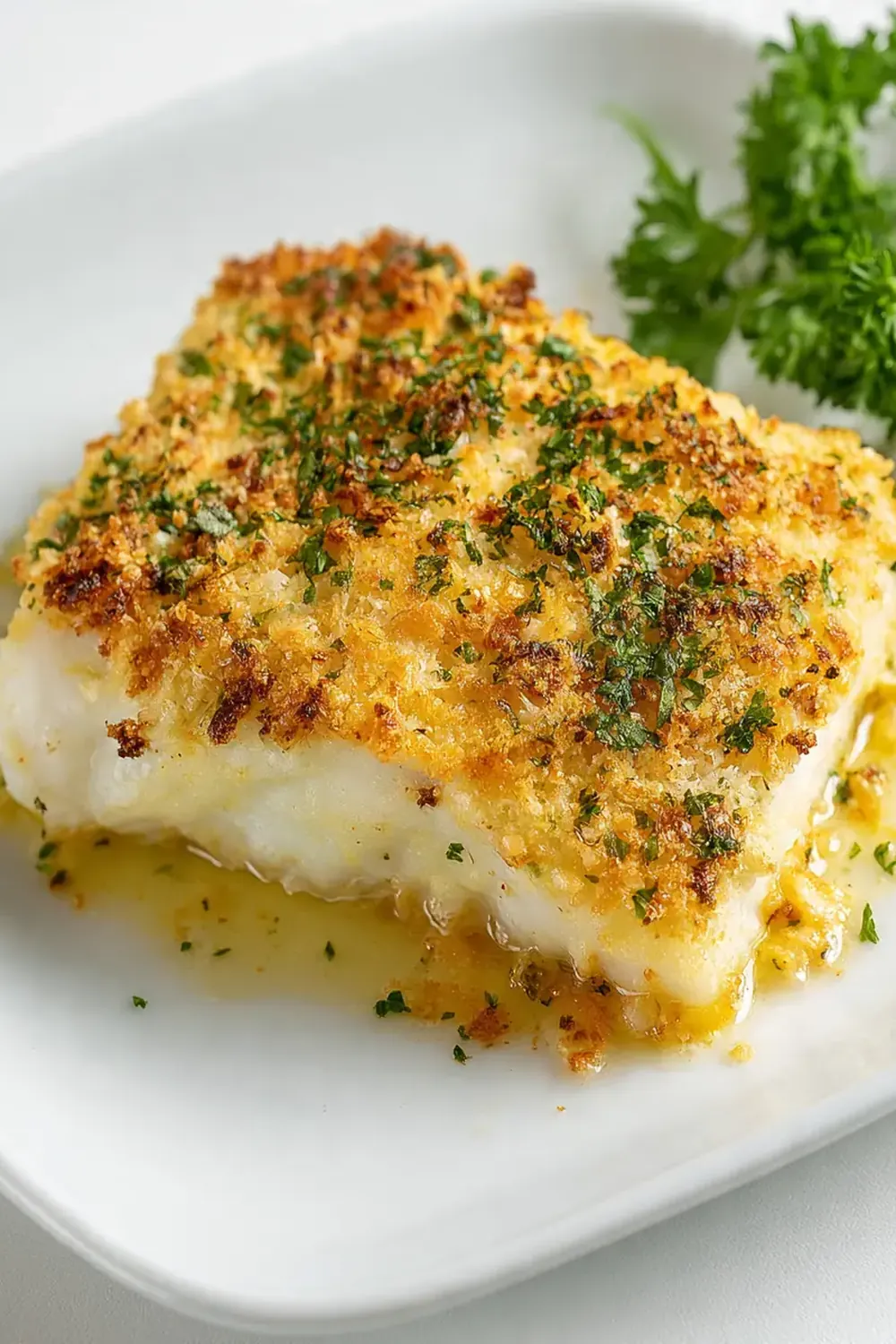
- Bake the Cod: Place the dish on the middle rack of the preheated oven and bake for 12-15 minutes, depending on the thickness of your fillets. Sensory cue: The crust will turn a deep, golden brown and become firm to a gentle touch. The fish will be opaque and flake easily when tested with a fork. You may hear a slight sizzle from the butter.
- Rest and Serve: Remove the baking dish from the oven and let the cod rest for 2-3 minutes. This allows the juices to redistribute, ensuring the fish stays moist. Serve immediately with lemon wedges on the side for squeezing over the top.
Tips From My Kitchen
- Use Fresh, Not Frozen, Cod: While you can use thawed frozen cod, fresh fish has a superior texture and flavour. If using frozen, ensure it is fully thawed in the refrigerator and then patted extremely dry. Excess moisture is the enemy of a crisp crust.
- Don’t Overwork the Crust: When combining the breadcrumbs, cheese, and butter, mix just until the butter is incorporated. Overmixing can make the topping dense and heavy, rather than light and crisp.
- Check the Thickness of Your Fillets: Cooking times are a guideline. A thick fillet (2.5cm or more) will need the full 15 minutes, while a thinner fillet might be done in 10-12 minutes. The best way to check doneness is to insert a fork into the thickest part; the flesh should be opaque and flake easily.
- Make Your Own Breadcrumbs: Fresh breadcrumbs from a slightly stale baguette or sourdough create a much better texture than the dusty, fine crumbs you buy in a can. They absorb the butter beautifully and toast up into lovely, golden shards.
- Patience with the Resting Time: I know it’s tempting to serve immediately, but that short 2-3 minute rest is vital. It allows the carry-over cooking to finish gently and lets the juices settle, preventing a dry, crumbly fish. I make this at least once a week – it’s become a family favourite, and this step is non-negotiable in my kitchen.
Common Mistakes to Avoid
- Overcrowding the pan: If the fillets are too close together, they will steam rather than bake. This creates excess moisture that will make your beautiful parmesan crust soggy. Always leave a little space between each fillet for hot air to circulate, ensuring a crisp topping and perfectly cooked fish.
- Wrong temperature: Baking at too low a temperature will dry out the fish before the crust has a chance to brown. Conversely, an oven that’s too hot will burn the crust while leaving the inside undercooked. A robust 220°C (425°F) is the sweet spot for a golden crust and a tender, flaky interior.
- Skipping the rest time: This is perhaps the most common mistake. Cutting into the fish immediately after it comes out of the oven causes all the precious juices to run out onto the plate, leaving you with a dry piece of fish. Letting it rest for just a few minutes is the simplest way to guarantee a moist result.
Delicious Variations to Try
- Spicy Version: Add ½ teaspoon of smoked paprika and a pinch of cayenne pepper to the breadcrumb mixture. For an even bolder kick, stir in a teaspoon of finely chopped pickled jalapeños into the melted butter before mixing with the crumbs.
- Vegetarian/Vegan Option: Replace the cod with thick slices of firm tofu or large portobello mushroom caps. For a vegan crust, use nutritional yeast in place of the Parmesan and a vegan butter or olive oil instead of the butter. The cooking time may vary slightly, so keep an eye on your plant-based protein.
- Different Protein: This crust is fantastic on other firm white fish like haddock, halibut, or pollock. You can also use it on chicken breasts (adjust cooking time to 20-25 minutes) or salmon fillets (cook for 12-15 minutes, depending on thickness).
What to Serve With Baked Cod with Parmesan Crust
- Lightly steamed green beans tossed with a little lemon juice and flaked almonds.
- A crisp, simple green salad with a lemon vinaigrette to cut through the richness.
- Buttery mashed potatoes or a creamy cauliflower mash to soak up the pan juices.
- Roasted cherry tomatoes or a simple tomato and basil salad.
Frequently Asked Questions
Baked Cod with Parmesan Crust
Ingredients
Method
- Preheat and Prepare: Preheat your oven to 220°C (200°C fan) or 425°F. Lightly grease a baking dish large enough to hold the cod fillets in a single layer with the olive oil. Sensory cue: The oil will shimmer slightly as the dish warms up in the oven.
- Make the Crust: In a small bowl, combine the fresh breadcrumbs, grated Parmesan, chopped parsley, lemon zest, and minced garlic. Pour the melted butter over the mixture and stir with a fork until everything is evenly moistened and resembles coarse, damp sand. Sensory cue: The mixture should clump together slightly when pressed between your fingers, and you’ll smell the fragrant garlic and lemon.
- Season the Cod: Pat the cod fillets dry with kitchen paper. This is a crucial step for a good sear and crust. Season both sides generously with salt and freshly ground black pepper. Sensory cue: The fish should feel dry to the touch, not slippery.
- Assemble the Dish: Place the seasoned cod fillets in the prepared baking dish, spacing them slightly apart. Divide the parmesan crust mixture evenly among the fillets, pressing it gently onto the top of each one to form a thick, even layer. Sensory cue: You’ll feel the crust pressing down into a solid, cohesive topping.
- Bake the Cod: Place the dish on the middle rack of the preheated oven and bake for 12-15 minutes, depending on the thickness of your fillets. Sensory cue: The crust will turn a deep, golden brown and become firm to a gentle touch. The fish will be opaque and flake easily when tested with a fork. You may hear a slight sizzle from the butter.
- Rest and Serve: Remove the baking dish from the oven and let the cod rest for 2-3 minutes. This allows the juices to redistribute, ensuring the fish stays moist. Serve immediately with lemon wedges on the side for squeezing over the top.
Notes
I do hope you give this Baked Cod with Parmesan Crust a try soon. It’s one of those recipes that feels like a secret weapon in the kitchen—simple enough for a Tuesday, yet impressive enough for guests. If you’re looking for another wonderful, hands-off meal, you might also enjoy our Healthy Baked Chicken Shawarma Wraps for a different take on a quick, flavour-packed dinner. Or, for a heartier option, the Slow Cooker Beef Ragu Over Pappardelle is a beautiful weekend project. Let me know in the comments how your cod turns out—I’d love to hear about your own variations and successes!