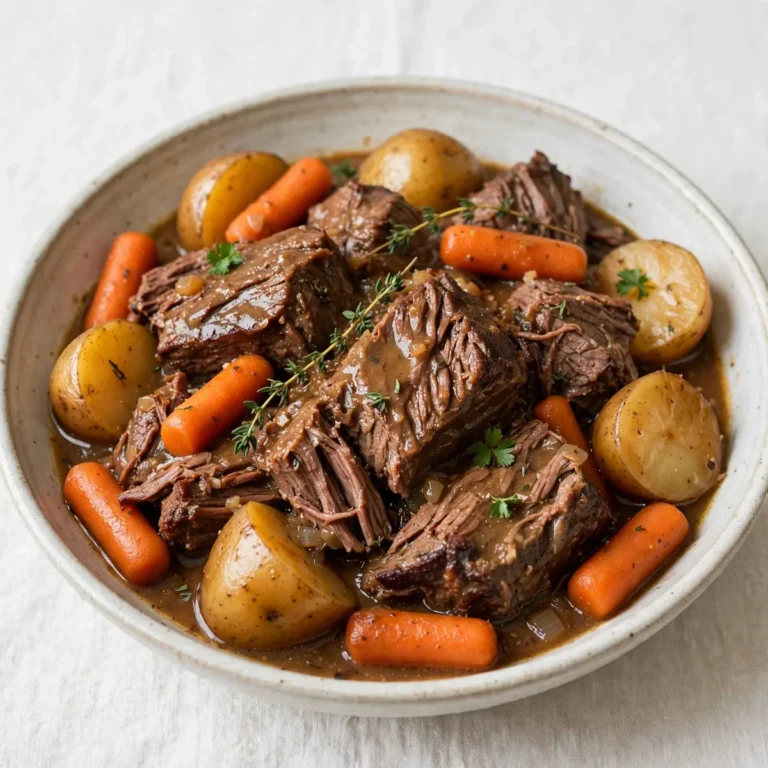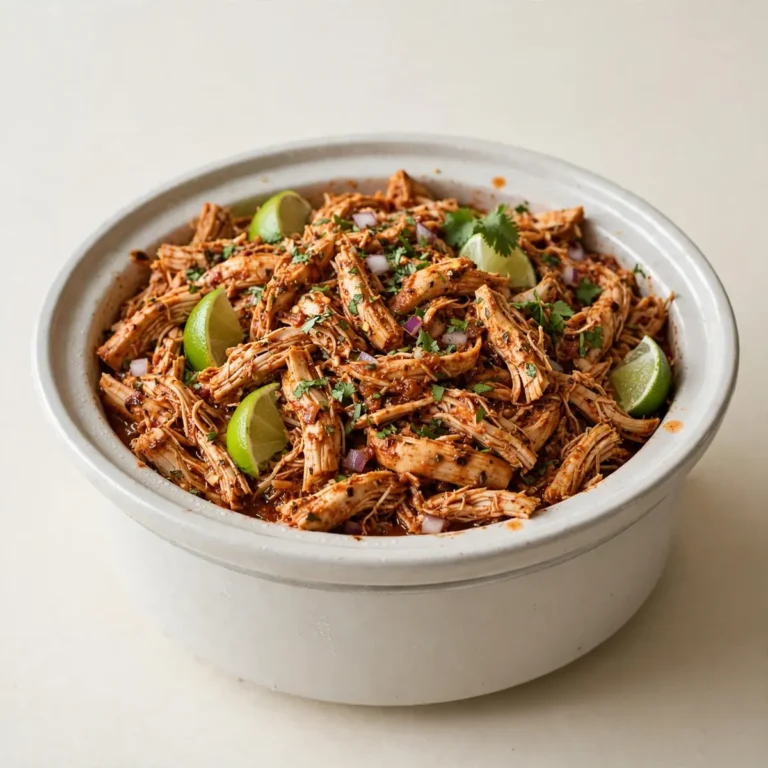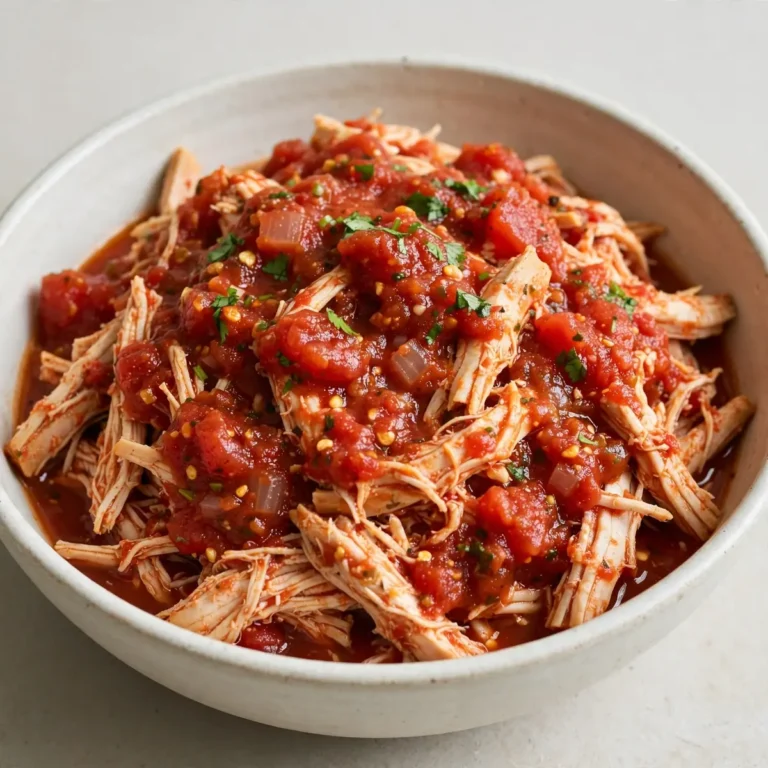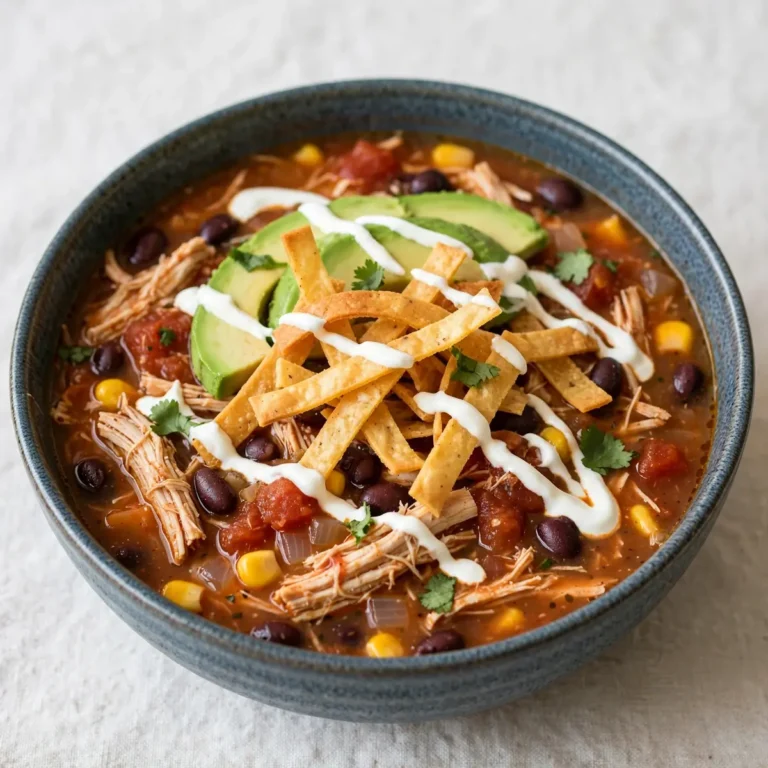
Spicy Korean Beef Bulgogi Bowls
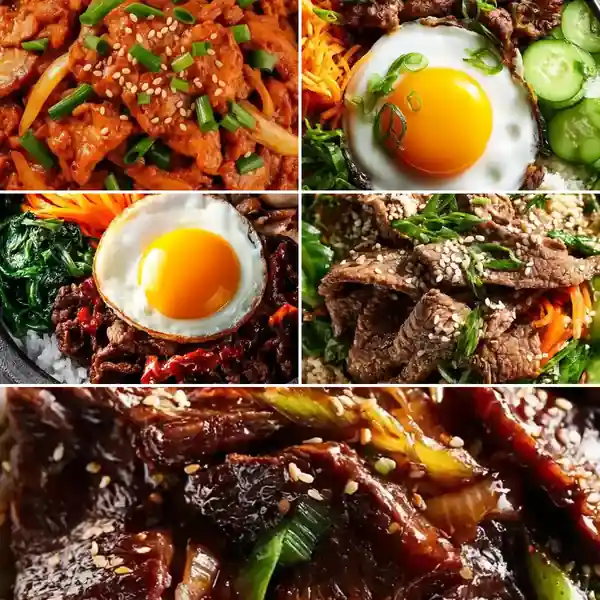
If you love the bold, savoury kick of gochujang and the satisfying chew of thinly sliced beef, then Spicy Korean Beef Bulgogi Bowls are about to become a staple in your kitchen. This roundup gathers fifteen distinctive ways to build that bowl, from lightning-fast weeknight fixes to meal-prep-friendly feasts. This was inspired by a dish I had at a little restaurant in Korea, where the balance of heat, sweetness, and sesame truly opened my eyes to what a simple rice bowl could be. Whether you are new to Korean cooking or a seasoned pro, these ideas will help you tailor the perfect bowl to your spice tolerance and pantry.
Why You’ll Love This List
- Time-saving variety: Each recipe is built for efficiency, with most clocking in under 40 minutes from start to finish.
- Nutritionally balanced: Every bowl packs lean protein, vibrant vegetables, and controlled portions of carbs for a satisfying meal.
- Customisable heat levels: The recipes range from mildly warm to fiery, so you can dial the spice up or down with ease.
- Meal-prep friendly: Many components can be prepped ahead, making these bowls a brilliant option for busy weekdays.
- Authentic flavours, adapted: Each version respects the traditional bulgogi profile while introducing smart, accessible substitutions.
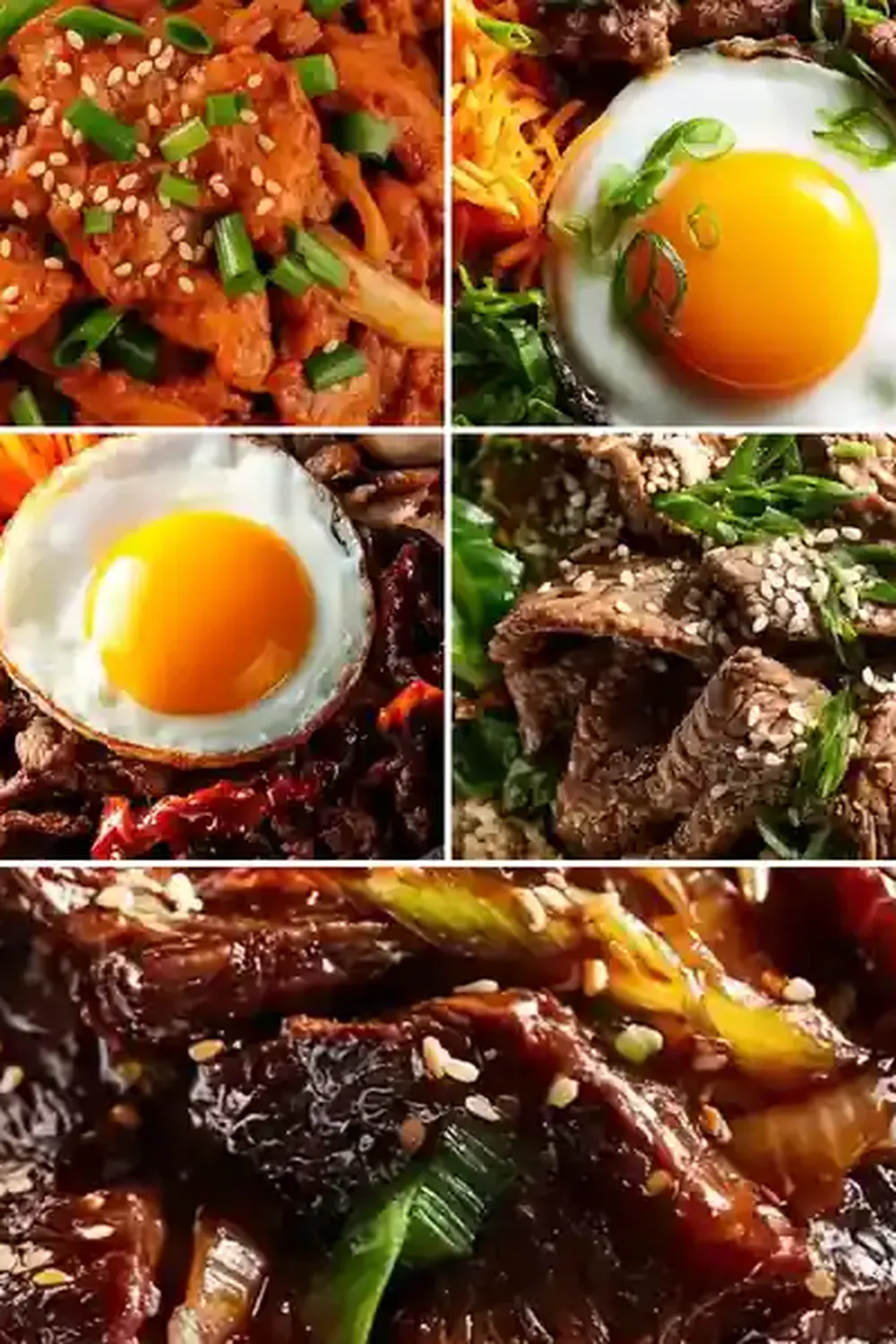
1. Quick Air Fryer Bulgogi Bowl
When you need dinner in a flash, the air fryer steps in to cook the marinated beef in under ten minutes. The result is tender, slightly crispy edges that pair beautifully with a bed of sticky rice and a simple sesame-ginger dressing.
Ingredients
- 400g beef flank, thinly sliced
- 3 tbsp gochujang
- 2 tbsp soy sauce
- 1 tbsp honey
- 1 tsp grated ginger
- 300g cooked jasmine rice
- 100g shredded cabbage
- 1 tbsp rice vinegar
- 1 tsp sesame oil
Instructions
- Whisk gochujang, soy sauce, honey, and grated ginger together, then coat the beef slices and let them sit for 5 minutes.
- Preheat the air fryer to 200°C and arrange the beef in a single layer in the basket.
- Air fry for 6 minutes, shaking the basket halfway through, until the beef is cooked and slightly charred at the edges.
- Toss the shredded cabbage with rice vinegar and sesame oil for a quick slaw.
- Divide the rice between bowls, top with the air-fried beef, and add a generous spoonful of the cabbage slaw.
Quick tip: Do not overcrowd the air fryer basket — work in batches if needed so the beef crisps up rather than steams.
2. Classic Gochujang Bulgogi Bowl
 Pin this
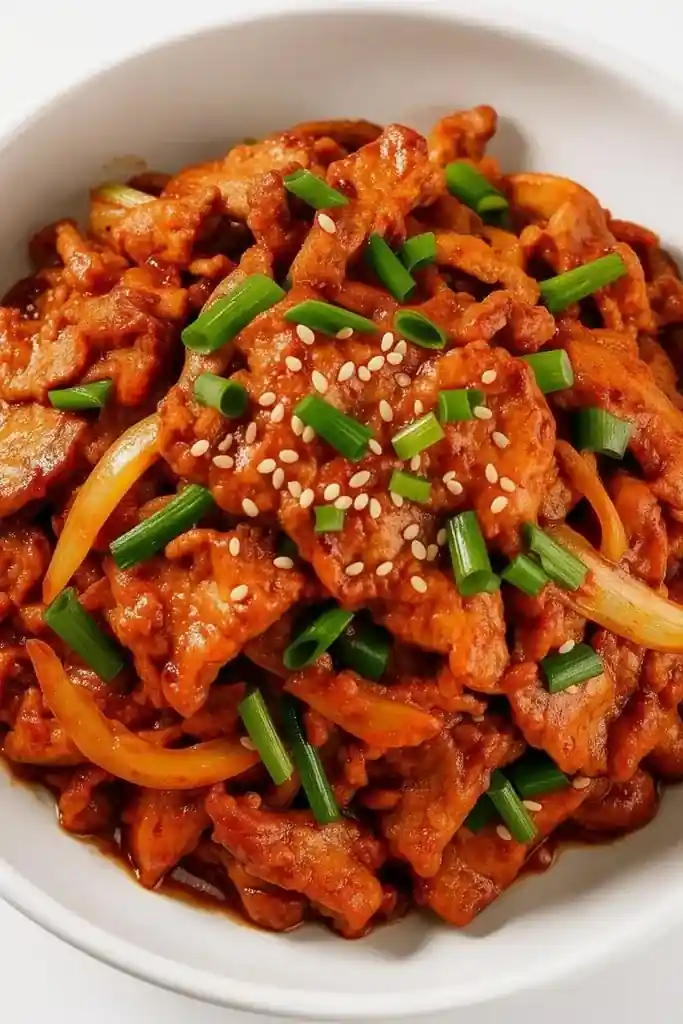
This foundational recipe delivers the quintessential sweet-heat balance of Korean bulgogi. The beef is marinated in a rich gochujang paste, soy sauce, and brown sugar, then seared until caramelised. It sits atop steamed rice with quick-pickled cucumber and a sprinkle of sesame seeds.
Ingredients
- 400g beef sirloin, thinly sliced
- 3 tbsp gochujang (Korean chilli paste)
- 2 tbsp soy sauce
- 1 tbsp brown sugar
- 1 tbsp sesame oil
- 2 cloves garlic, minced
- 300g cooked short-grain rice
- 1 cucumber, thinly sliced
- 2 tbsp rice vinegar
- 1 tsp sesame seeds
Instructions
- Whisk gochujang, soy sauce, brown sugar, sesame oil, and garlic together in a bowl, then toss the beef slices in the marinade and rest for 15 minutes.
- Heat a large non-stick pan over high heat and sear the beef in a single layer for 2 minutes per side until charred.
- While the beef cooks, toss the cucumber slices with rice vinegar and a pinch of salt to make a quick pickle.
- Divide the rice between bowls, top with the cooked beef, and garnish with the pickled cucumber and sesame seeds.
- Serve immediately while the beef is still hot and the rice is steaming.
Quick tip: For the best caramelisation, pat the beef dry with kitchen paper before it hits the pan — this prevents steaming and encourages a deep sear.
3. Low-Carb Cauliflower Rice Bulgogi Bowl
 Pin this
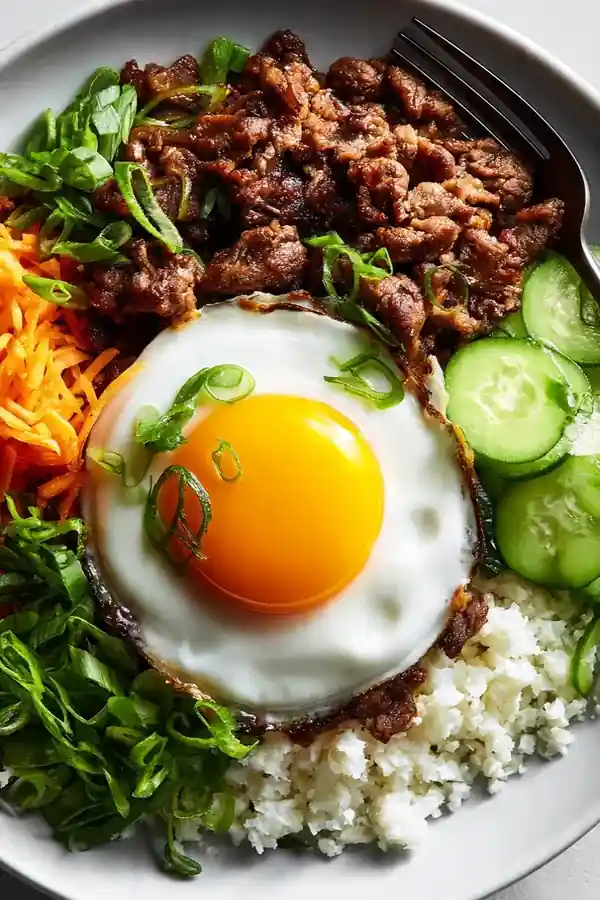
A brilliant option for those watching their carbohydrate intake, this bowl swaps steamed rice for riced cauliflower. The spicy beef retains all its punchy flavour, and the addition of sautéed spinach and avocado adds creaminess without the extra carbs.
Ingredients
- 400g beef rib eye, thinly sliced
- 3 tbsp gochujang
- 2 tbsp soy sauce
- 1 tbsp honey
- 1 tbsp sesame oil
- 300g cauliflower rice
- 100g fresh spinach
- 1 ripe avocado, sliced
- 1 tbsp toasted sesame seeds
Instructions
- Mix gochujang, soy sauce, honey, and sesame oil in a bowl, then coat the beef slices and set aside for 10 minutes.
- Heat a wok over medium-high heat, add the cauliflower rice, and stir-fry for 4 minutes until tender and lightly golden.
- In the same pan, sear the marinated beef for 2 minutes per side, then remove and keep warm.
- Wilt the spinach in the residual pan juices for 1 minute, then divide the cauliflower rice between bowls.
- Top with the beef, wilted spinach, avocado slices, and a sprinkle of sesame seeds before serving.
Quick tip: For drier cauliflower rice, press the grated florets between kitchen towels before cooking — this helps them brown instead of steam.
4. Spicy Beef Bulgogi Bibimbap Bowl
 Pin this
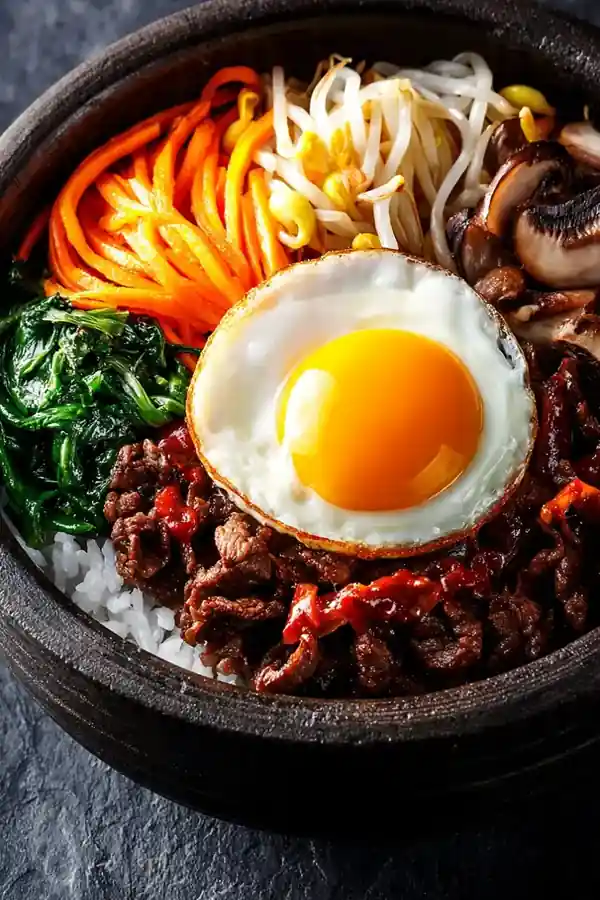
This bowl takes inspiration from the classic Korean bibimbap, layering spicy beef over rice with sautéed vegetables and a perfectly fried egg. The gochujang sauce is stirred in at the table, creating a glorious, saucy mix with every forkful.
Ingredients
- 400g beef rump, thinly sliced
- 3 tbsp gochujang
- 2 tbsp soy sauce
- 1 tbsp maple syrup
- 1 tbsp sesame oil
- 300g cooked white rice
- 100g bean sprouts, blanched
- 1 carrot, julienned
- 100g spinach, blanched
- 2 large eggs
- 1 tbsp vegetable oil
Instructions
- Combine gochujang, soy sauce, maple syrup, and sesame oil, then marinate the beef for 15 minutes.
- Sear the beef in a hot pan for 2 minutes per side, then set aside and keep warm.
- In the same pan, sauté the carrot strips for 2 minutes until just softened.
- Fry the eggs in vegetable oil over medium heat until the whites are set but the yolk remains runny.
- Divide the rice between bowls, arrange the beef, bean sprouts, carrot, and spinach around the bowl, then top with the fried egg.
Quick tip: For a deeper flavour, add a splash of toasted sesame oil to the rice before assembling the bowl — it adds a nutty aroma that ties everything together.
5. Meal Prep Bulgogi Bowl with Quinoa
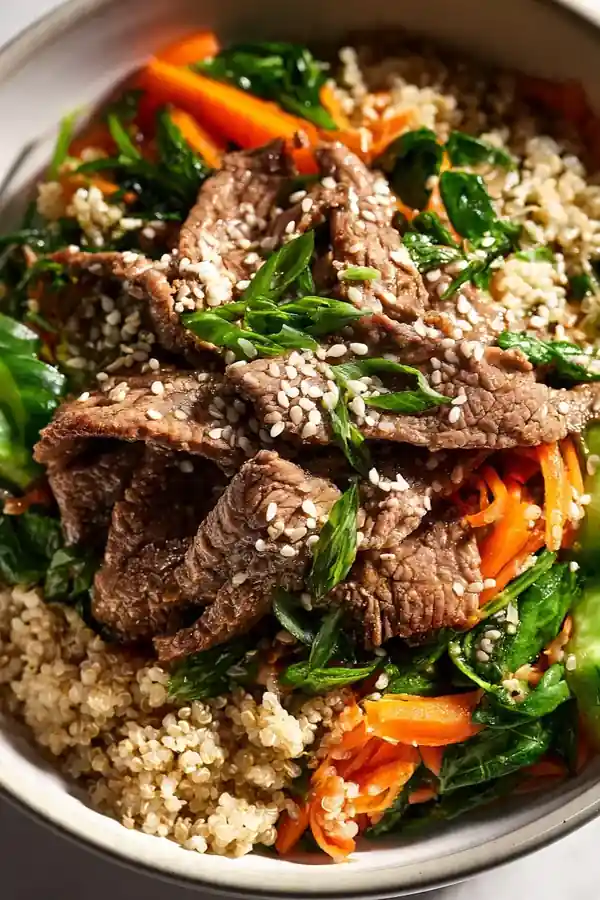 Pin this
Ideal for batch cooking, this bowl uses protein-rich quinoa as its base and a robustly spiced beef that keeps well in the fridge for up to four days. The roasted broccoli and edamame add texture and extra fibre, making it a complete meal in one container.
Ingredients
- 400g beef mince
- 3 tbsp gochujang
- 2 tbsp soy sauce
- 1 tbsp brown sugar
- 1 tbsp sesame oil
- 200g quinoa, cooked
- 200g broccoli florets
- 100g frozen edamame, thawed
- 1 tbsp vegetable oil
Instructions
- Preheat the oven to 200°C, toss the broccoli florets with vegetable oil, and roast for 20 minutes until tender and browned.
- While the broccoli roasts, mix gochujang, soy sauce, brown sugar, and sesame oil, then stir in the beef mince.
- Heat a large skillet over medium-high heat, add the beef mixture, and cook for 6 minutes, breaking it up with a spatula until browned.
- Divide the cooked quinoa between four meal-prep containers.
- Top each container with the cooked beef mince, roasted broccoli, and a portion of edamame, then seal and refrigerate.
Quick tip: Let the quinoa cool completely before sealing the containers to prevent condensation from making the beef soggy.
6. Keto Bulgogi Bowl with Shirataki Noodles
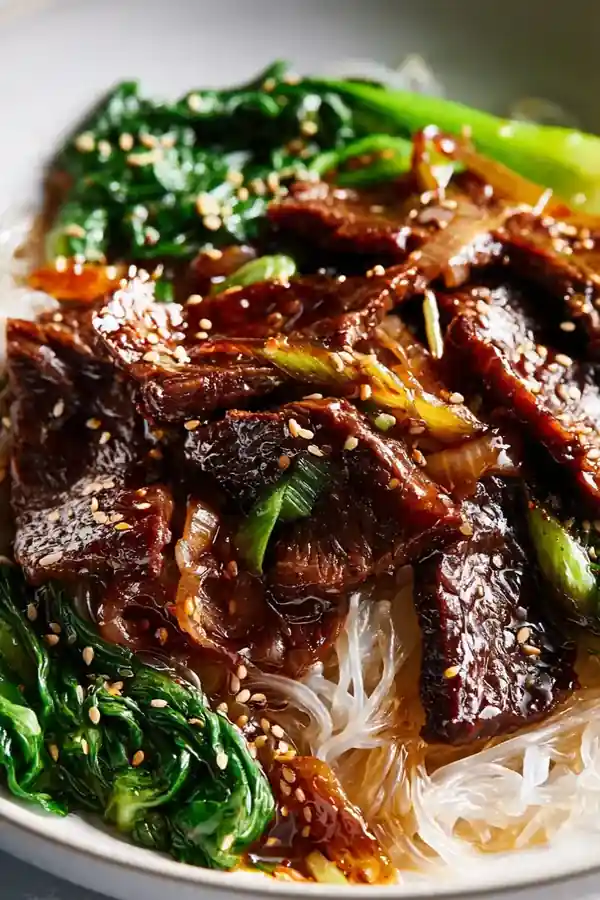 Pin this
For a keto-friendly twist, this bowl replaces rice with shirataki noodles, which absorb the spicy sauce beautifully without adding net carbs. The beef is cooked with a generous amount of sesame oil and garlic, and the bowl is finished with a creamy sesame dressing.
Ingredients
- 400g beef sirloin, thinly sliced
- 3 tbsp gochujang
- 2 tbsp soy sauce
- 2 tbsp sesame oil
- 3 cloves garlic, minced
- 300g shirataki noodles, rinsed
- 100g cucumber, julienned
- 2 tbsp sesame paste (tahini)
- 1 tbsp apple cider vinegar
Instructions
- Drain and rinse the shirataki noodles, then dry-fry them in a hot pan for 3 minutes to remove excess moisture.
- Mix gochujang, soy sauce, 1 tablespoon of sesame oil, and garlic, then marinate the beef slices for 10 minutes.
- Sear the beef in the remaining sesame oil over high heat for 2 minutes per side until caramelised.
- Whisk the sesame paste with apple cider vinegar and a splash of water to make a dressing.
- Toss the noodles with half the dressing, divide between bowls, top with the beef and cucumber, and drizzle the remaining dressing over the top.
Quick tip: Rinsing the shirataki noodles thoroughly under cold water removes their natural odour and improves their texture.
7. Vegetarian Twist with Soy-Based Bulgogi
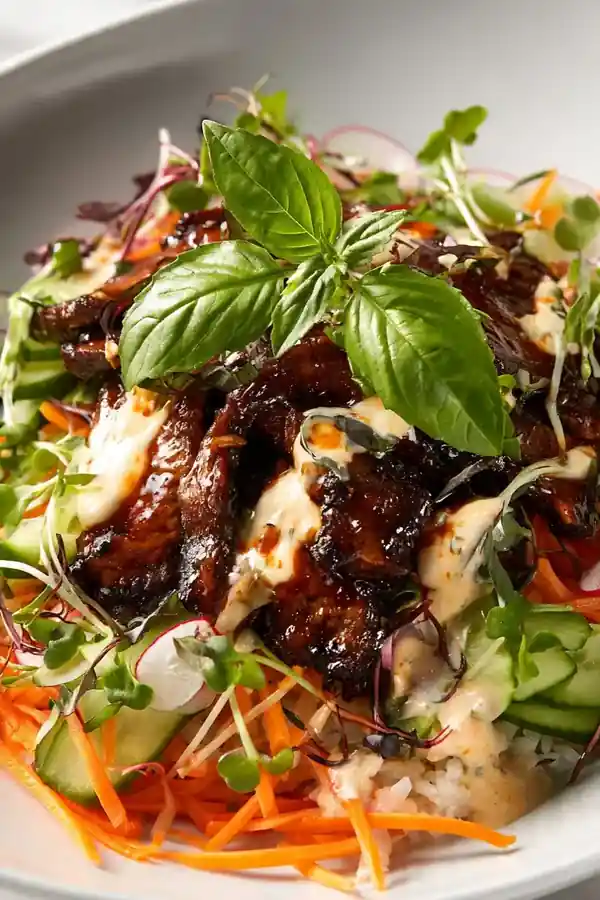 Pin this
This plant-based version uses firm tofu or tempeh, marinated and seared to mimic the chewy texture of beef. The gochujang glaze clings to the protein, and the bowl is rounded out with kimchi, avocado, and a sprinkle of nori strips for a umami boost.
Ingredients
- 400g firm tofu, pressed and cubed
- 3 tbsp gochujang
- 2 tbsp soy sauce
- 1 tbsp maple syrup
- 1 tbsp sesame oil
- 300g cooked brown rice
- 100g kimchi, chopped
- 1 avocado, sliced
- 2 sheets nori, shredded
Instructions
- Press the tofu for 15 minutes between kitchen towels to remove excess moisture, then cube it into 2cm pieces.
- Whisk gochujang, soy sauce, maple syrup, and sesame oil, then toss the tofu cubes in the marinade and rest for 10 minutes.
- Heat a non-stick pan over medium-high heat and sear the tofu for 4 minutes per side until deep golden and sticky.
- Divide the brown rice between bowls and arrange the seared tofu on top.
- Add a generous portion of kimchi, avocado slices, and a sprinkle of shredded nori before serving.
Quick tip: For a firmer, chewier texture, freeze the tofu overnight, then thaw and press it before marinating.
8. Bulgogi Bowl with Sweet Potato Noodles
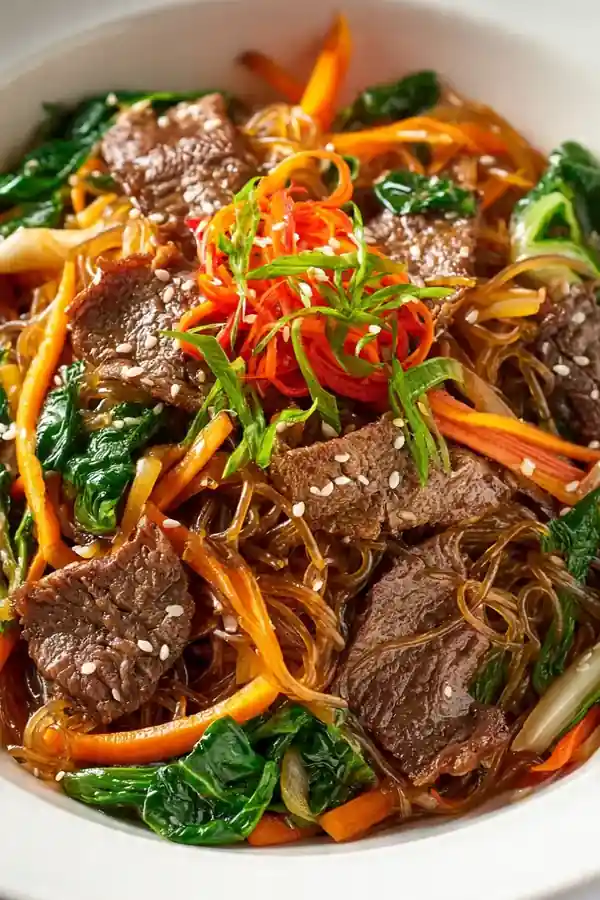 Pin this
Korean sweet potato noodles (dangmyeon) are the star here, offering a delightfully chewy, translucent base that soaks up the spicy beef juices. The bowl is finished with a splash of sesame oil and a handful of fresh spring onions for a bright finish.
Ingredients
- 400g beef chuck, thinly sliced
- 3 tbsp gochujang
- 2 tbsp soy sauce
- 1 tbsp honey
- 1 tbsp sesame oil
- 200g sweet potato noodles (dangmyeon)
- 4 spring onions, sliced
- 1 tbsp toasted sesame seeds
- 1 tbsp vegetable oil
Instructions
- Cook the sweet potato noodles according to package directions, then drain and rinse under cold water.
- Mix gochujang, soy sauce, honey, and sesame oil, then coat the beef slices and marinate for 10 minutes.
- Heat vegetable oil in a wok over high heat, sear the beef for 2 minutes per side, then remove and set aside.
- Add the drained noodles to the same wok and toss for 2 minutes to warm them through and coat in residual sauce.
- Divide the noodles between