Chicken Tikka Masala (Creamy Indian Favorite)
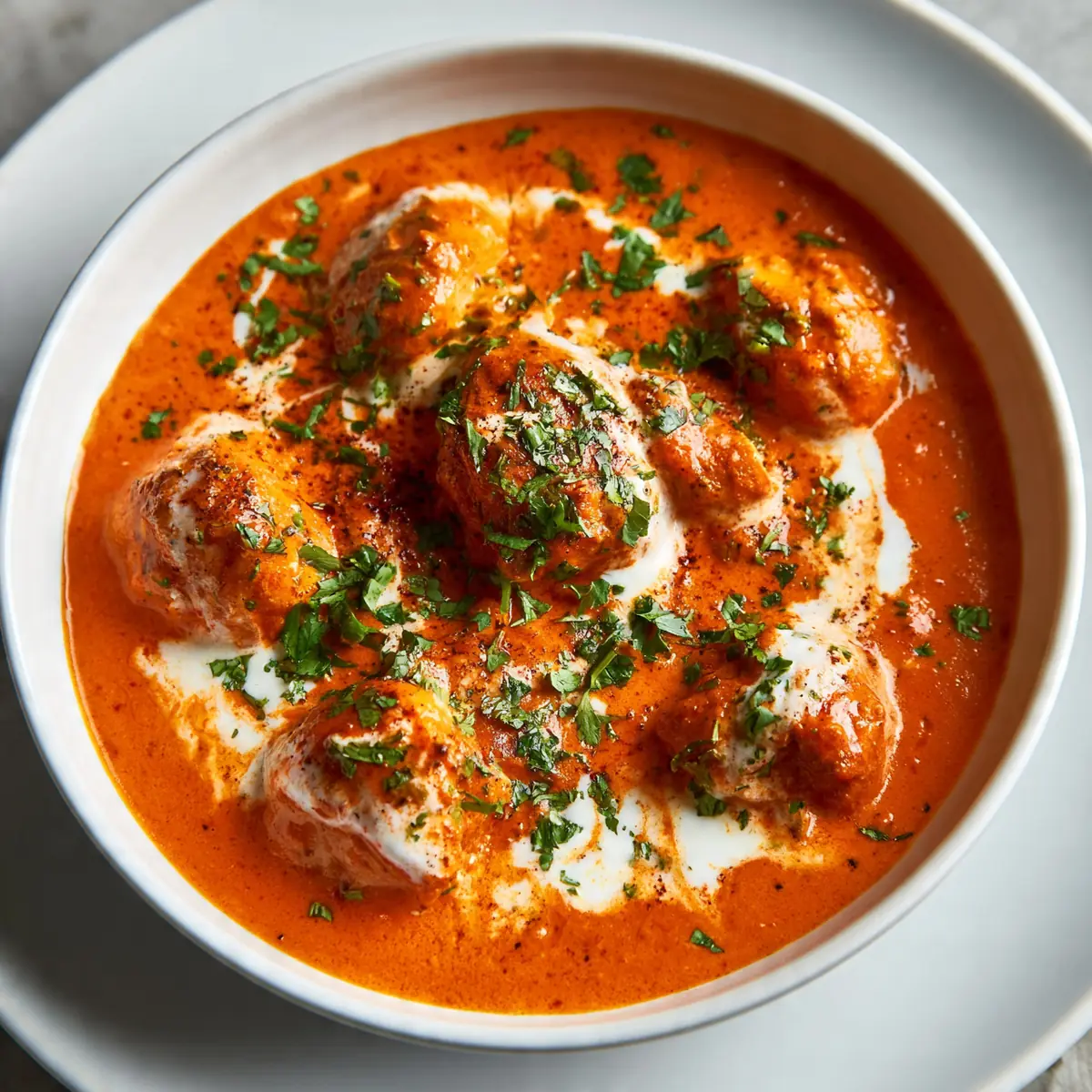
There are some recipes that feel like a warm embrace, and this Chicken Tikka Masala is exactly that for me. I’ve been making this for over 3 years, and it never disappoints, whether it’s a quiet weeknight dinner or a weekend gathering with friends. After testing this recipe five times, I finally got it just right — balancing the smoky char from the grill with a velvety, spiced tomato cream sauce that clings to every piece of chicken.
Recipe Overview
- Prep Time: 30 minutes (plus 1 hour marinating)
- Cook Time: 25 minutes
- Total Time: 1 hour 55 minutes
- Servings: 4
- Difficulty: Medium
Why You’ll Love This Chicken Tikka Masala (Creamy Indian Favorite)
- Deep, layered flavour from charring the chicken pieces before simmering them in the sauce.
- A luxuriously creamy texture without being heavy — thanks to double cream stirred in at the very end.
- Uses pantry-friendly spices you likely already have, so no hunting for obscure ingredients.
- Comes together faster than takeaway delivery, once the chicken is marinated.
- Freezes beautifully, making it perfect for meal prep or lazy Sunday reheats.
Ingredients You’ll Need
- 600g boneless, skinless chicken thighs, cut into 4cm chunks
- 150ml plain full-fat yoghurt
- 2 tablespoons lemon juice
- 2 teaspoons ground cumin
- 2 teaspoons ground coriander
- 1 teaspoon smoked paprika
- 1 teaspoon turmeric
- 1 teaspoon garam masala
- 1 teaspoon salt
- 3 tablespoons vegetable or sunflower oil
- 2 large onions, finely diced
- 4 cloves garlic, minced
- 1 thumb-sized piece of fresh ginger, grated
- 2 tablespoons tomato purée
- 400g can of chopped tomatoes
- 150ml double cream
- 1 tablespoon unsalted butter
- Small handful of fresh coriander, chopped, to garnish
Tip: If you can find Kashmiri chilli powder, use 1 teaspoon in the marinade instead of the smoked paprika — it adds a beautiful deep red colour without too much heat.
How to Make Chicken Tikka Masala (Creamy Indian Favorite)
- Marinate the chicken. In a large mixing bowl, whisk together the yoghurt, lemon juice, cumin, coriander, smoked paprika, turmeric, garam masala, and salt until smooth and pale yellow. Add the chicken chunks and toss well, making sure every piece is coated. The yoghurt mixture should look thick and glossy, clinging to the chicken like a paste. Cover the bowl and refrigerate for at least 1 hour — overnight is even better.
- Sear the chicken. Heat 2 tablespoons of oil in a large frying pan over high heat until it shimmers and you see faint wisps of smoke. Working in batches so you don’t overcrowd the pan, add the chicken pieces in a single layer. Let them cook undisturbed for 3–4 minutes. You’ll hear a vigorous sizzle, and the underside should turn a deep, charred brown with blackened spots. Flip and cook the other side for another 2 minutes. The exterior should look blistered and dark in places, while the inside remains just cooked through. Transfer to a plate and set aside.
- Build the sauce base. Reduce the heat to medium. Add the remaining 1 tablespoon of oil and the butter to the pan. Once the butter has melted and starts foaming, tip in the diced onions. Stir frequently for 8–10 minutes, until the onions turn a deep golden brown — they should smell sweet and nutty, and have softened completely. Add the garlic and ginger, and cook for another minute until fragrant, stirring constantly so they don’t burn.
- Cook the tomato base. Stir in the tomato purée and cook for 2 minutes. It will darken to a rusty brick red and the oil will start to separate from the paste. Pour in the chopped tomatoes, scraping the bottom of the pan with your wooden spoon to release any browned bits — this is where so much flavour lives. Bring the sauce to a gentle simmer, then reduce the heat to low. Let it bubble softly for 10 minutes, stirring occasionally. The sauce will thicken and darken, and the raw, acidic tomato smell will mellow into something rich and savoury.
- Blend the sauce (optional but recommended). For a silky-smooth masala, use a stick blender directly in the pan, or transfer the sauce to a countertop blender and blitz until completely smooth. Be careful with hot liquids — let the sauce cool for 5 minutes first. If you prefer a chunkier texture, skip this step and leave the onions as they are. Return the sauce to the pan over low heat.
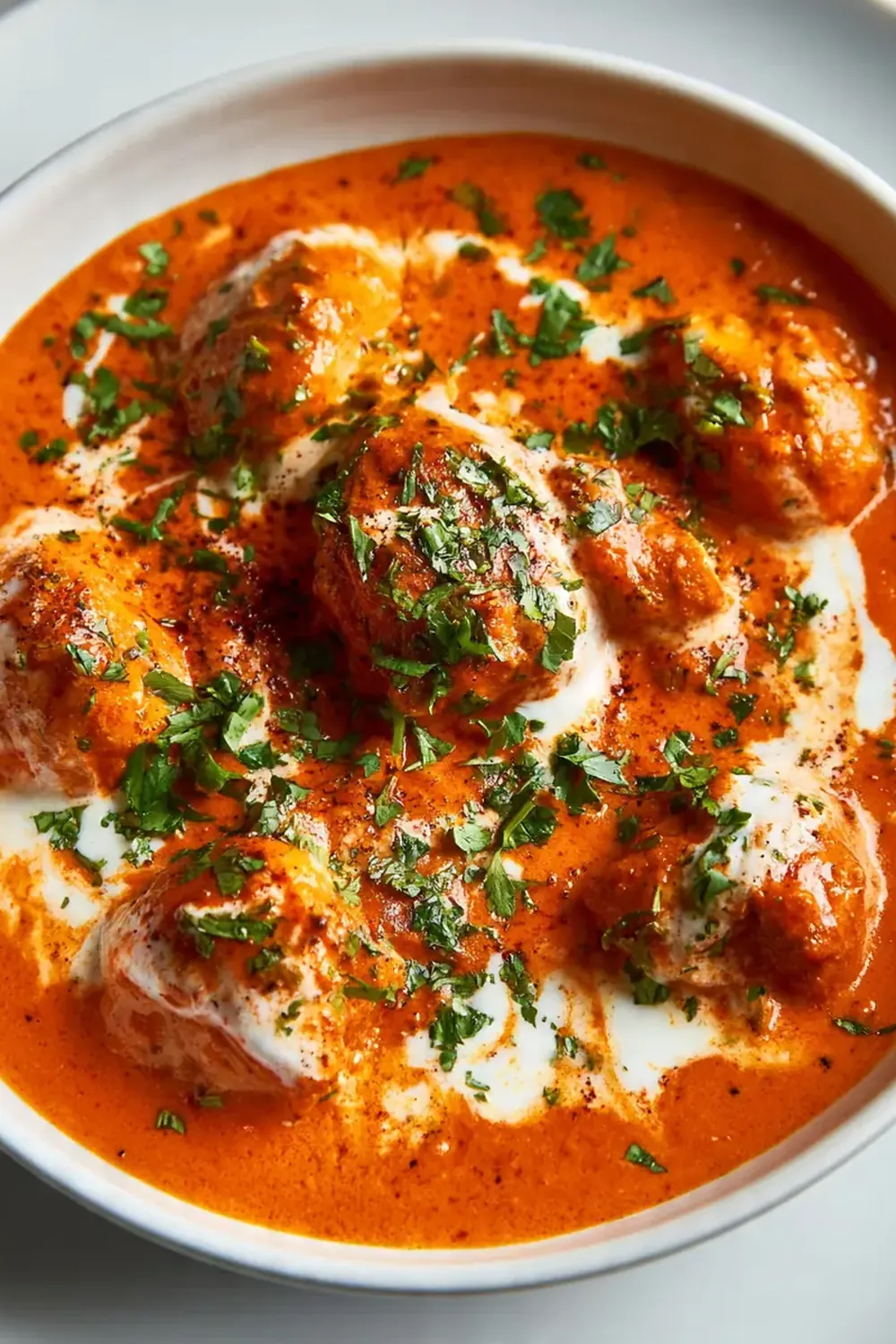
- Finish the masala. Stir in the double cream until the sauce turns a warm, peachy-orange colour. Add the seared chicken pieces along with any juices that have collected on the plate. Simmer everything together for 5–6 minutes, stirring gently, until the chicken is heated through and the sauce has thickened enough to coat the back of a spoon. Taste and adjust salt if needed. Garnish with fresh coriander just before serving.
Tips From My Kitchen
- Use chicken thighs, not breasts. Thighs stay juicy and tender even after simmering in the sauce, while breasts can turn dry and stringy. The extra fat in thighs also adds richness to the overall dish. If you must use breasts, reduce the simmering time by half.
- Let the marinade work overnight. The yoghurt contains lactic acid, which tenderises the chicken without making it mushy. Meanwhile, the spices penetrate deeper into the meat. A full 12-hour marinate in the fridge makes a noticeable difference in flavour depth.
- Char the chicken properly. Those dark, almost burnt spots are not a mistake — they’re where the Maillard reaction creates complex, smoky flavours that define a great Chicken Tikka Masala. Don’t be shy with the heat, and don’t move the chicken around once it hits the pan. Let it sit and sear.
- Cook the onions until truly golden. Pale, sweated onions won’t give you the sweet, caramelised base this sauce needs. Take the time to cook them until they’re a deep amber colour — this usually takes a full 10 minutes over medium heat. The patience pays off in the final taste.
- Add cream at the end, off the heat. Double cream can split if it boils vigorously. After stirring it in, keep the heat low and only simmer gently. For an even more stable sauce, take the pan off the heat entirely before adding the cream, then return it to a low flame.
- Taste and adjust spices gradually. Different brands of garam masala vary in strength. Start with the amount listed, then taste the sauce after it simmers. You can always add a pinch more cumin or chilli, but you can’t take it out.
Equipment You’ll Need
- Large frying pan or skillet (non-stick or cast iron works well)
- Sharp knife and cutting board
- Mixing bowls (one large, one medium)
- Wooden spoon or spatula
- Stick blender or countertop blender (optional, for smooth sauce)
- Measuring spoons
Common Mistakes to Avoid
- Overcrowding the pan: When searing the chicken, if you pile too many pieces in at once, they steam instead of sear. This means you lose that essential charred flavour. Cook in two or three batches, leaving space between each piece so the heat can do its job.
- Wrong temperature: The sauce needs a gentle simmer — a few lazy bubbles breaking the surface — not a rolling boil. Boiling the cream causes it to separate into greasy pools, and the spices can turn bitter. Keep the heat on low once the cream is added, and stir frequently.
- Skipping the rest time: Letting the finished dish sit for 5 minutes off the heat before serving allows the sauce to thicken slightly and the flavours to meld. If you serve it immediately, the sauce may seem thinner and less cohesive. A short rest makes everything come together.
What to Serve With Chicken Tikka Masala (Creamy Indian Favorite)
- Steamed basmati rice — plain or with a few cardamom pods and a pinch of salt.
- Warm naan bread, brushed with melted butter and sprinkled with black onion seeds.
- A simple cucumber and red onion salad with a squeeze of lime.
- Aloo gobi or a quick lentil dal on the side.
- Mango chutney and lime pickle for little bursts of tangy sweetness.
Frequently Asked Questions
Chicken Tikka Masala (Creamy Indian Favorite)
Ingredients
Method
- Marinate the chicken. In a large mixing bowl, whisk together the yoghurt, lemon juice, cumin, coriander, smoked paprika, turmeric, garam masala, and salt until smooth and pale yellow. Add the chicken chunks and toss well, making sure every piece is coated. The yoghurt mixture should look thick and glossy, clinging to the chicken like a paste. Cover the bowl and refrigerate for at least 1 hour — overnight is even better.
- Sear the chicken. Heat 2 tablespoons of oil in a large frying pan over high heat until it shimmers and you see faint wisps of smoke. Working in batches so you don't overcrowd the pan, add the chicken pieces in a single layer. Let them cook undisturbed for 3–4 minutes. You'll hear a vigorous sizzle, and the underside should turn a deep, charred brown with blackened spots. Flip and cook the other side for another 2 minutes. The exterior should look blistered and dark in places, while the inside remains just cooked through. Transfer to a plate and set aside.
- Build the sauce base. Reduce the heat to medium. Add the remaining 1 tablespoon of oil and the butter to the pan. Once the butter has melted and starts foaming, tip in the diced onions. Stir frequently for 8–10 minutes, until the onions turn a deep golden brown — they should smell sweet and nutty, and have softened completely. Add the garlic and ginger, and cook for another minute until fragrant, stirring constantly so they don't burn.
- Cook the tomato base. Stir in the tomato purée and cook for 2 minutes. It will darken to a rusty brick red and the oil will start to separate from the paste. Pour in the chopped tomatoes, scraping the bottom of the pan with your wooden spoon to release any browned bits — this is where so much flavour lives. Bring the sauce to a gentle simmer, then reduce the heat to low. Let it bubble softly for 10 minutes, stirring occasionally. The sauce will thicken and darken, and the raw, acidic tomato smell will mellow into something rich and savoury.
- Blend the sauce (optional but recommended). For a silky-smooth masala, use a stick blender directly in the pan, or transfer the sauce to a countertop blender and blitz until completely smooth. Be careful with hot liquids — let the sauce cool for 5 minutes first. If you prefer a chunkier texture, skip this step and leave the onions as they are. Return the sauce to the pan over low heat.
- Finish the masala. Stir in the double cream until the sauce turns a warm, peachy-orange colour. Add the seared chicken pieces along with any juices that have collected on the plate. Simmer everything together for 5–6 minutes, stirring gently, until the chicken is heated through and the sauce has thickened enough to coat the back of a spoon. Taste and adjust salt if needed. Garnish with fresh coriander just before serving.
Notes
I hope this recipe becomes a favourite in your kitchen the way it has in mine. If you give it a try, I’d love to hear how it turned out — drop a comment below and let me know. For more weeknight dinner inspiration, you might also enjoy Creamy Lemon Chicken Orzo Soup or Pan Seared Salmon With Lemon Butter Sauce. Happy cooking!