Baked Teriyaki Salmon With Sesame Rice
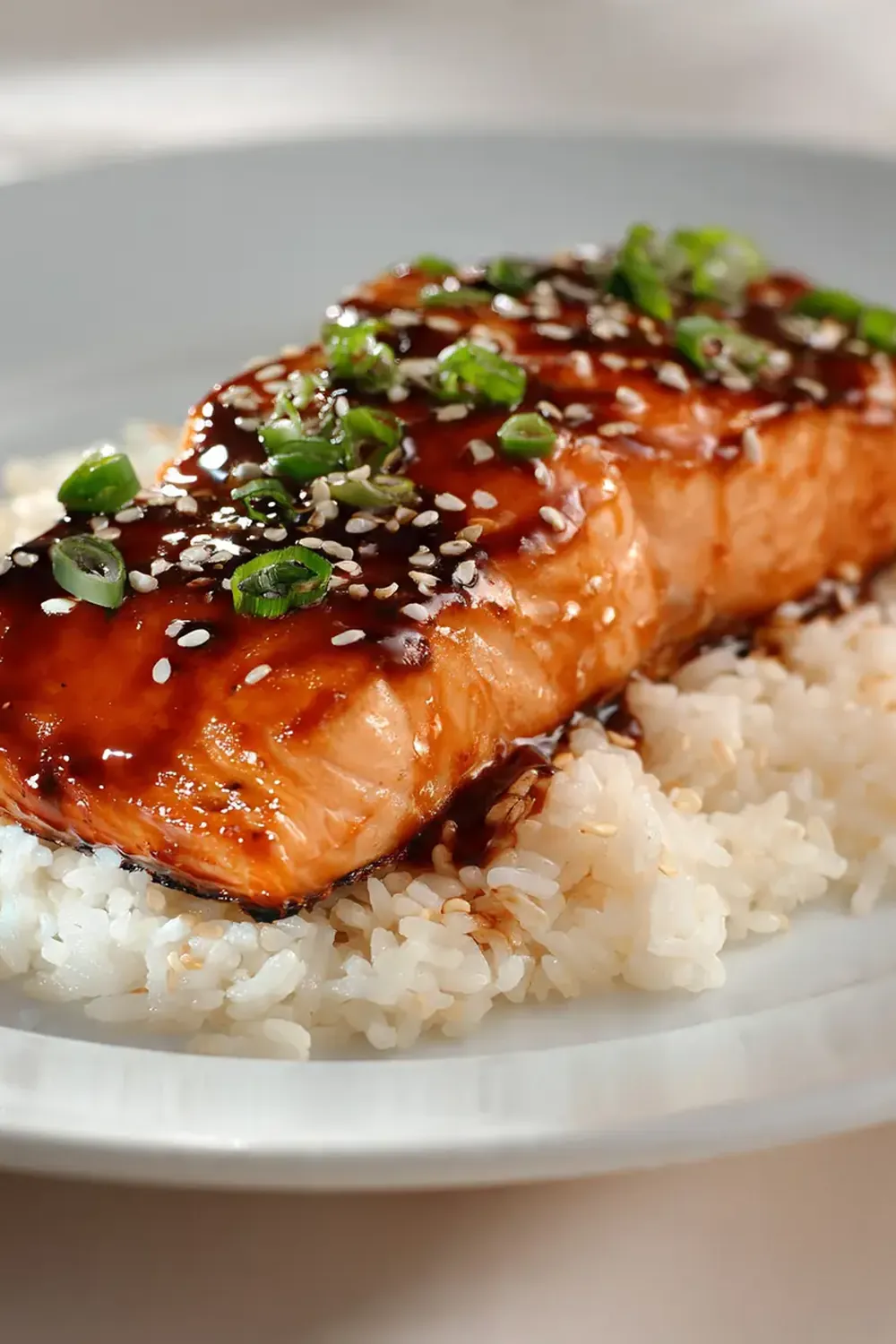
There are some meals that just feel like a warm hug after a long day, and this Baked Teriyaki Salmon with Sesame Rice is exactly that for me. I first made it on a rainy Tuesday when I needed something nourishing but didn’t want to spend hours in the kitchen, and the result was so good that my partner asked for it three times that week. Since then, it has become my go-to recipe when I need something quick but impressive for a weeknight dinner or a small gathering.
Recipe Overview
- Prep Time: 10 minutes
- Cook Time: 20 minutes
- Total Time: 30 minutes
- Servings: 4
- Difficulty: Easy
Why You’ll Love This Baked Teriyaki Salmon with Sesame Rice
- Restaurant quality at home: The glossy, savoury glaze on the salmon looks and tastes like something from a high-end Japanese restaurant, yet it requires very little hands-on effort.
- One-pan convenience: Baking the salmon in the oven means you can prepare the sesame rice while the fish cooks, making the whole dinner come together in under half an hour.
- Perfectly balanced flavours: The sweet and savoury teriyaki sauce pairs beautifully with the nutty sesame rice and the rich, buttery salmon, creating a meal that feels both indulgent and wholesome.
- Great for entertaining: Friends always ask me for this recipe after trying it at dinner parties. It looks stunning on the plate and tastes even better, but it doesn’t require any last-minute fussing.
- Customisable to your taste: You can easily adjust the sweetness of the glaze, add some heat with chilli, or swap the protein entirely, making this a versatile addition to your weekly rotation.
Ingredients You’ll Need
- 4 salmon fillets (about 150g each), skin on or off
- 250g jasmine or short-grain rice
- 500ml water or chicken stock
- 2 tablespoons sesame oil
- 3 tablespoons soy sauce or tamari
- 2 tablespoons honey or maple syrup
- 1 tablespoon apple cider vinegar
- 2 cloves garlic, minced
- 1 teaspoon fresh ginger, grated
- 2 tablespoons sesame seeds, plus extra for garnish
- 2 spring onions, thinly sliced
- 1 tablespoon cornflour mixed with 2 tablespoons water (slurry)
- Salt and white pepper to taste
- Optional: steamed broccolini or edamame for serving
Tip: For the best flavour, use fresh salmon fillets that are bright orange with firm flesh. If using frozen salmon, make sure it is fully thawed in the refrigerator overnight and patted dry before starting.
How to Make Baked Teriyaki Salmon with Sesame Rice
- Preheat the oven and prepare the teriyaki glaze: Set your oven to 200°C (400°F) and line a 9×13 inch baking dish with aluminium foil for easy cleanup. In a small mixing bowl, whisk together the soy sauce, honey, apple cider vinegar, minced garlic, and grated ginger. The mixture will be a deep amber colour with a sharp, sweet aroma that fills the kitchen. Taste it — it should be balanced between salty and sweet, with a pleasant tang from the vinegar.
- Marinate the salmon: Place the salmon fillets in the prepared baking dish, skin-side down if using skin-on fillets. Pour about two-thirds of the teriyaki glaze over the salmon, turning the fillets gently to coat them evenly. The flesh should look glossy and dark, with the sauce pooling slightly around the edges. Let them sit at room temperature for 5-10 minutes while you start the rice — you will notice the fish beginning to absorb the flavours as the edges turn slightly opaque.
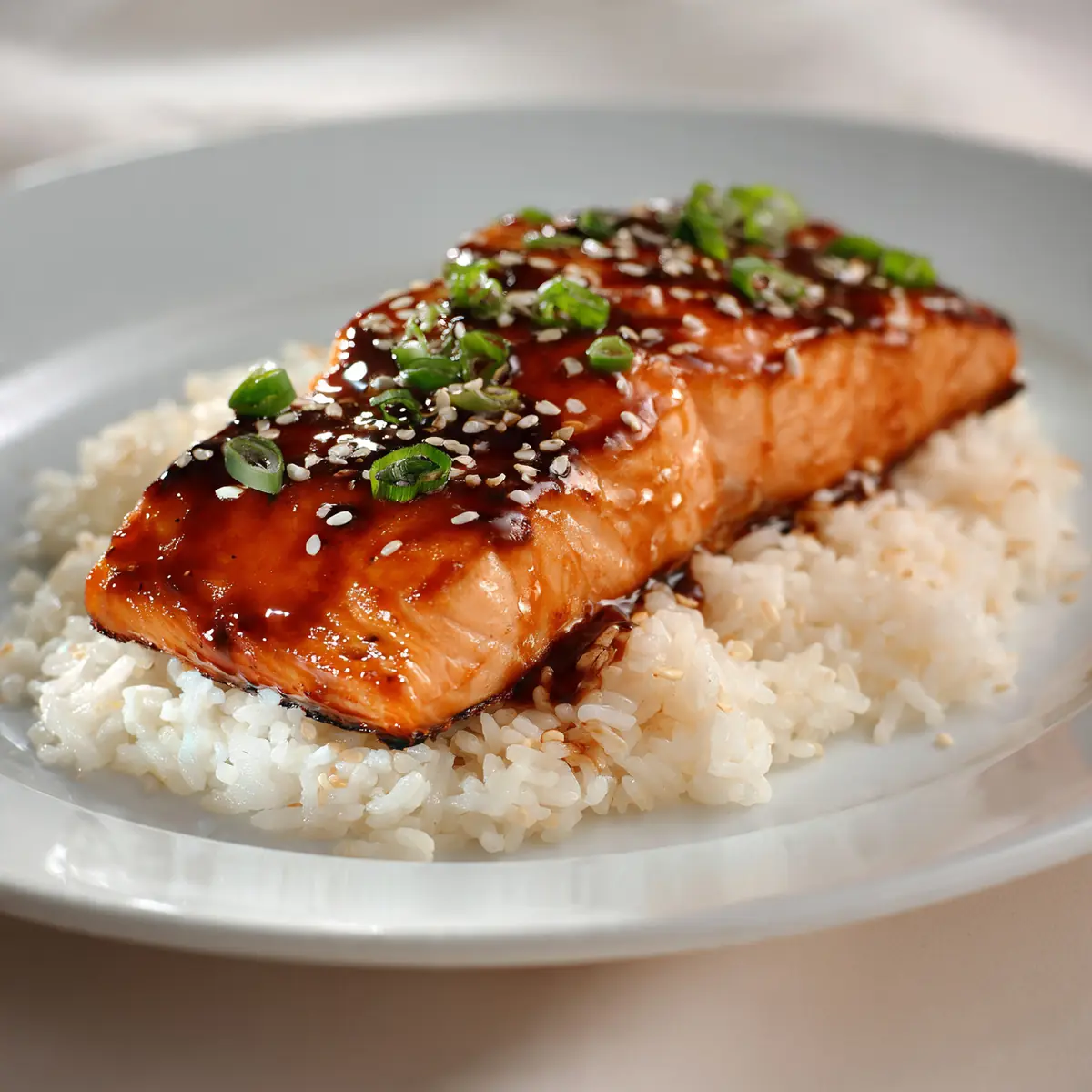
- Bake the salmon: Place the dish in the preheated oven and bake for 12-15 minutes, depending on the thickness of your fillets. After 10 minutes, the kitchen will smell wonderfully savoury and slightly sweet. The salmon should be firm to the touch and flake easily with a fork when done. The glaze will have reduced and caramelised around the edges, turning a deep, sticky brown. If you prefer a slightly charred finish, switch the oven to grill for the last 2 minutes, watching closely so the sugar in the glaze does not burn.
- Prepare the sesame rice: While the salmon bakes, rinse the rice under cold water in a sieve until the water runs clear — this removes excess starch and prevents the rice from becoming gummy. In a medium saucepan, heat the sesame oil over medium heat until it shimmers and smells nutty. Add the rinsed rice and stir for 1-2 minutes, until each grain is coated and begins to turn translucent at the edges. Pour in the water or chicken stock and bring to a gentle boil, then reduce the heat to low, cover, and simmer for 12-15 minutes. You will hear a soft bubbling sound as the liquid absorbs. When the rice is tender and the liquid is fully absorbed, remove it from the heat and let it sit covered for 5 minutes. Fluff with a fork — the grains should be separate and glossy, with a wonderful sesame aroma.
- Make the extra glaze for serving: In a small saucepan, pour the remaining teriyaki glaze and bring it to a simmer over medium heat. Whisk in the cornflour slurry and stir continuously for 1-2 minutes, until the glaze thickens and turns glossy, almost like a thin syrup. You will see it coat the back of a spoon. Remove from heat and set aside.
- Assemble and serve: Divide the sesame rice among four warm bowls. Place a baked salmon fillet on top of each portion. Drizzle the thickened teriyaki glaze over the salmon and rice, then sprinkle generously with sesame seeds and sliced spring onions. The contrast of the dark, glossy glaze against the white rice and bright green onions is stunning. Serve immediately with steamed broccolini or edamame on the side, if desired.
Tips From My Kitchen
- Pat the salmon dry before marinating: Excess moisture on the surface of the fish will dilute the teriyaki glaze and prevent it from caramelising properly in the oven. Use paper towels to gently pat the fillets dry on all sides before adding the marinade. This small step makes a significant difference in the final texture and flavour of the glaze.
- Let the rice rest after cooking: After the rice has finished simmering, leave it covered off the heat for at least 5 minutes. This allows the steam to redistribute evenly through the grains, resulting in a fluffier texture. If you lift the lid too early, the steam escapes and the rice can become sticky or unevenly cooked.
- Use a meat thermometer for precise salmon doneness: While visual cues are helpful, the most reliable way to ensure perfectly cooked salmon is to use an instant-read thermometer. Insert it into the thickest part of the fillet; you are looking for an internal temperature of 50-52°C (122-125°F) for medium, which will be moist and flaky. Overcooked salmon becomes dry and mealy, so err on the side of slightly underdone if you are unsure.
- Toast your sesame seeds lightly: Toasting sesame seeds in a dry pan over medium heat for 1-2 minutes until they are golden brown and fragrant brings out their nutty flavour. Be careful — they burn quickly. Once they start popping and smell toasty, tip them immediately into a small bowl to stop the cooking process. This simple step elevates the dish considerably.
- Adjust the sweetness to your liking: The balance of sweet and savoury in teriyaki is personal. If you prefer a less sweet glaze, reduce the honey to 1 tablespoon and add an extra tablespoon of soy sauce. For a deeper flavour, you can add a splash of pineapple juice or a pinch of smoked paprika to the glaze — both complement the salmon beautifully without overpowering it.
Equipment You’ll Need
- 9×13 inch baking dish
- Aluminium foil
- Mixing bowls (small and medium)
- Sharp knife
- Small saucepan
- Medium saucepan with lid
- Whisk
- Instant-read meat thermometer (optional, but recommended)
- Sieve for rinsing rice
Common Mistakes to Avoid
- Overcrowding the pan: Placing the salmon fillets too close together in the baking dish prevents the hot air from circulating evenly, which can lead to uneven cooking. The fillets should be spaced at least 2cm apart so the glaze can reduce and caramelise properly around each piece. If you are cooking for more than four people, use two baking dishes or cook in batches.
- Wrong temperature: Baking salmon at too high a temperature will cause the exterior to cook too quickly while the centre remains raw, and the sugar in the glaze may burn before the fish is done. Conversely, too low a temperature results in a pale, steamed-looking fillet. Stick to 200°C (400°F) for the best balance of caramelisation and gentle cooking.
- Skipping the rest time: Letting the salmon rest for 2-3 minutes after it comes out of the oven is crucial. During this time, the juices redistribute throughout the flesh, ensuring every bite is moist and flavourful. If you cut into it immediately, those juices will run out onto the plate, leaving the salmon drier than it should be.
Delicious Variations to Try
- Spicy Version: Add 1-2 teaspoons of sriracha or a pinch of red chilli flakes to the teriyaki glaze before marinating. For an extra kick, garnish the finished dish with thinly sliced red chilli and a drizzle of chilli oil. The heat pairs beautifully with the sweetness of the honey and the richness of the salmon.
- Vegetarian/Vegan Option: Substitute the salmon with thick slices of firm tofu or portobello mushrooms. Press the tofu for 15 minutes to remove excess moisture, then marinate and bake at the same temperature for 15-18 minutes, flipping halfway through. The sesame rice works perfectly as a base for this plant-based version.
- Different Protein: This teriyaki glaze works wonderfully with other proteins. Try it with chicken thighs (bake for 20-25 minutes at 200°C), or use it on firm white fish like cod or halibut (bake for 10-12 minutes). You can even use it as a glaze for grilled prawns — just reduce the baking time to 6-8 minutes.
What to Serve With Baked Teriyaki Salmon with Sesame Rice
- Steamed broccolini or tenderstem broccoli, drizzled with a little sesame oil
- Edamame beans, lightly salted
- A simple cucumber and avocado salad with rice vinegar dressing
- Miso soup for a traditional Japanese-style meal
- Pickled ginger and wasabi on the side for extra zing
Frequently Asked Questions
Baked Teriyaki Salmon with Sesame Rice
Ingredients
Method
- Preheat the oven and prepare the teriyaki glaze: Set your oven to 200°C (400°F) and line a 9x13 inch baking dish with aluminium foil for easy cleanup. In a small mixing bowl, whisk together the soy sauce, honey, apple cider vinegar, minced garlic, and grated ginger. The mixture will be a deep amber colour with a sharp, sweet aroma that fills the kitchen. Taste it — it should be balanced between salty and sweet, with a pleasant tang from the vinegar.
- Marinate the salmon: Place the salmon fillets in the prepared baking dish, skin-side down if using skin-on fillets. Pour about two-thirds of the teriyaki glaze over the salmon, turning the fillets gently to coat them evenly. The flesh should look glossy and dark, with the sauce pooling slightly around the edges. Let them sit at room temperature for 5-10 minutes while you start the rice — you will notice the fish beginning to absorb the flavours as the edges turn slightly opaque.
- Bake the salmon: Place the dish in the preheated oven and bake for 12-15 minutes, depending on the thickness of your fillets. After 10 minutes, the kitchen will smell wonderfully savoury and slightly sweet. The salmon should be firm to the touch and flake easily with a fork when done. The glaze will have reduced and caramelised around the edges, turning a deep, sticky brown. If you prefer a slightly charred finish, switch the oven to grill for the last 2 minutes, watching closely so the sugar in the glaze does not burn.
- Prepare the sesame rice: While the salmon bakes, rinse the rice under cold water in a sieve until the water runs clear — this removes excess starch and prevents the rice from becoming gummy. In a medium saucepan, heat the sesame oil over medium heat until it shimmers and smells nutty. Add the rinsed rice and stir for 1-2 minutes, until each grain is coated and begins to turn translucent at the edges. Pour in the water or chicken stock and bring to a gentle boil, then reduce the heat to low, cover, and simmer for 12-15 minutes. You will hear a soft bubbling sound as the liquid absorbs. When the rice is tender and the liquid is fully absorbed, remove it from the heat and let it sit covered for 5 minutes. Fluff with a fork — the grains should be separate and glossy, with a wonderful sesame aroma.
- Make the extra glaze for serving: In a small saucepan, pour the remaining teriyaki glaze and bring it to a simmer over medium heat. Whisk in the cornflour slurry and stir continuously for 1-2 minutes, until the glaze thickens and turns glossy, almost like a thin syrup. You will see it coat the back of a spoon. Remove from heat and set aside.
- Assemble and serve: Divide the sesame rice among four warm bowls. Place a baked salmon fillet on top of each portion. Drizzle the thickened teriyaki glaze over the salmon and rice, then sprinkle generously with sesame seeds and sliced spring onions. The contrast of the dark, glossy glaze against the white rice and bright green onions is stunning. Serve immediately with steamed broccolini or edamame on the side, if desired.
Notes
I hope this Baked Teriyaki Salmon with Sesame Rice becomes a favourite in your kitchen, just as it has in mine. If you are looking for other quick and satisfying meals, you might enjoy our Creamy Lemon Chicken Orzo Soup for a cosy night in, or the Grilled Lemon Herb Swordfish Steaks for another impressive seafood dish. I would love to hear how yours turns out — please leave a comment below and let me know if you tried any of the variations!