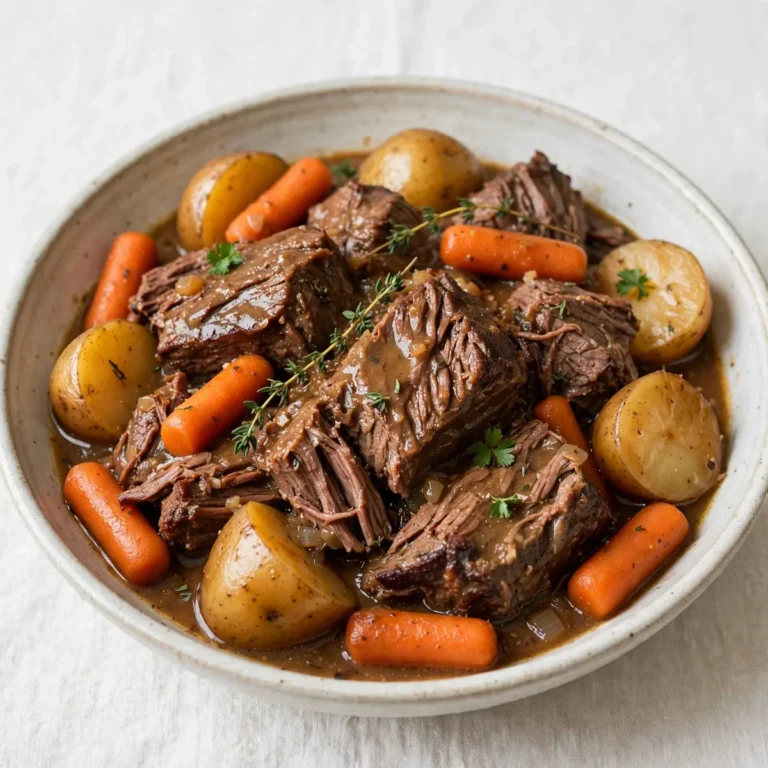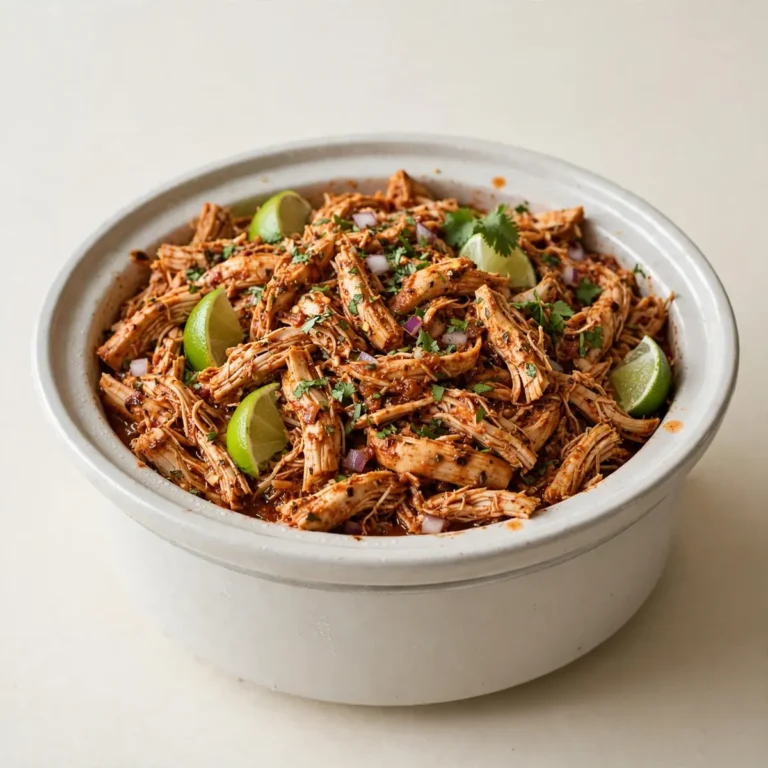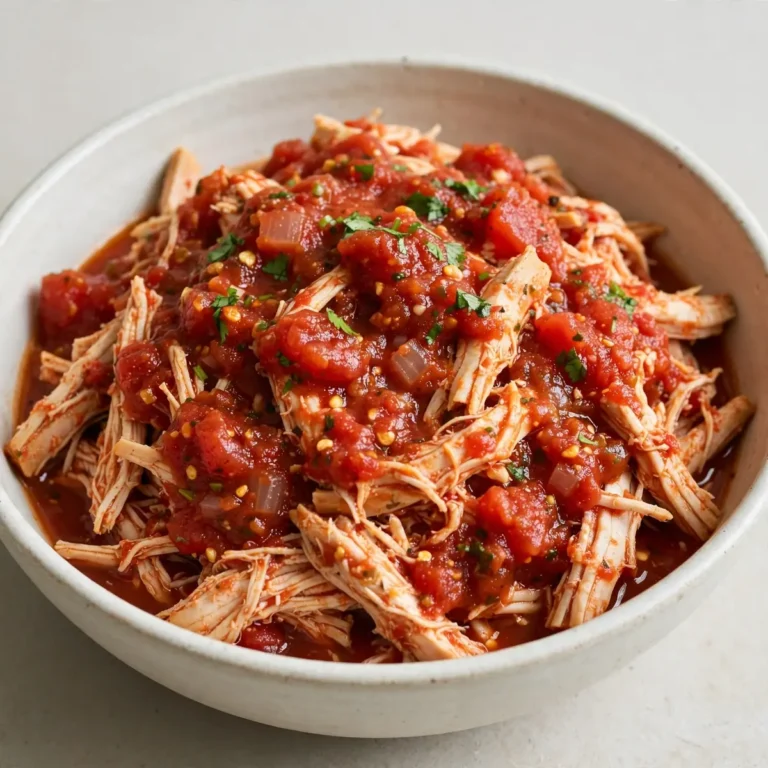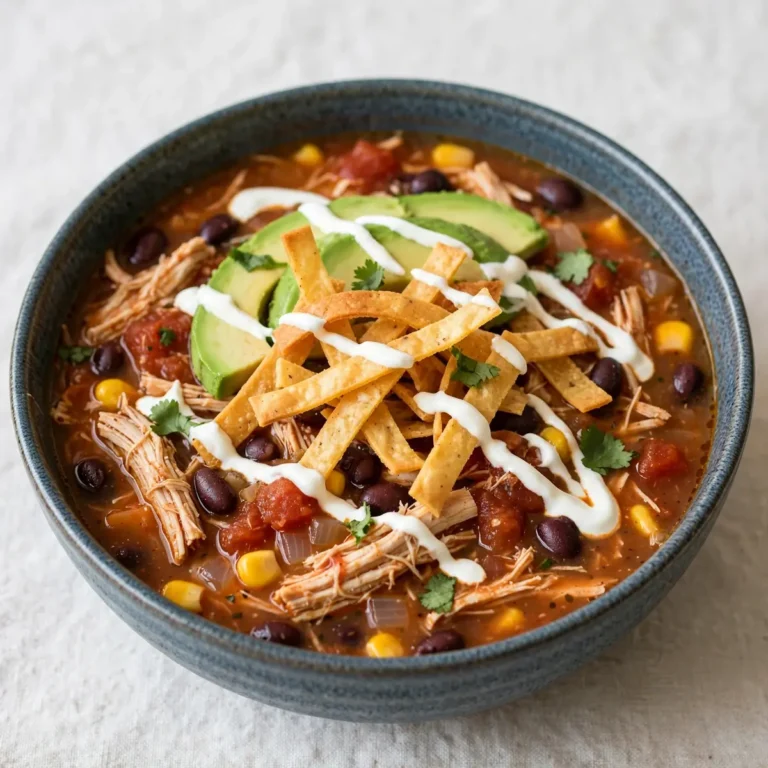
Crispy Fried Catfish (Southern Style)
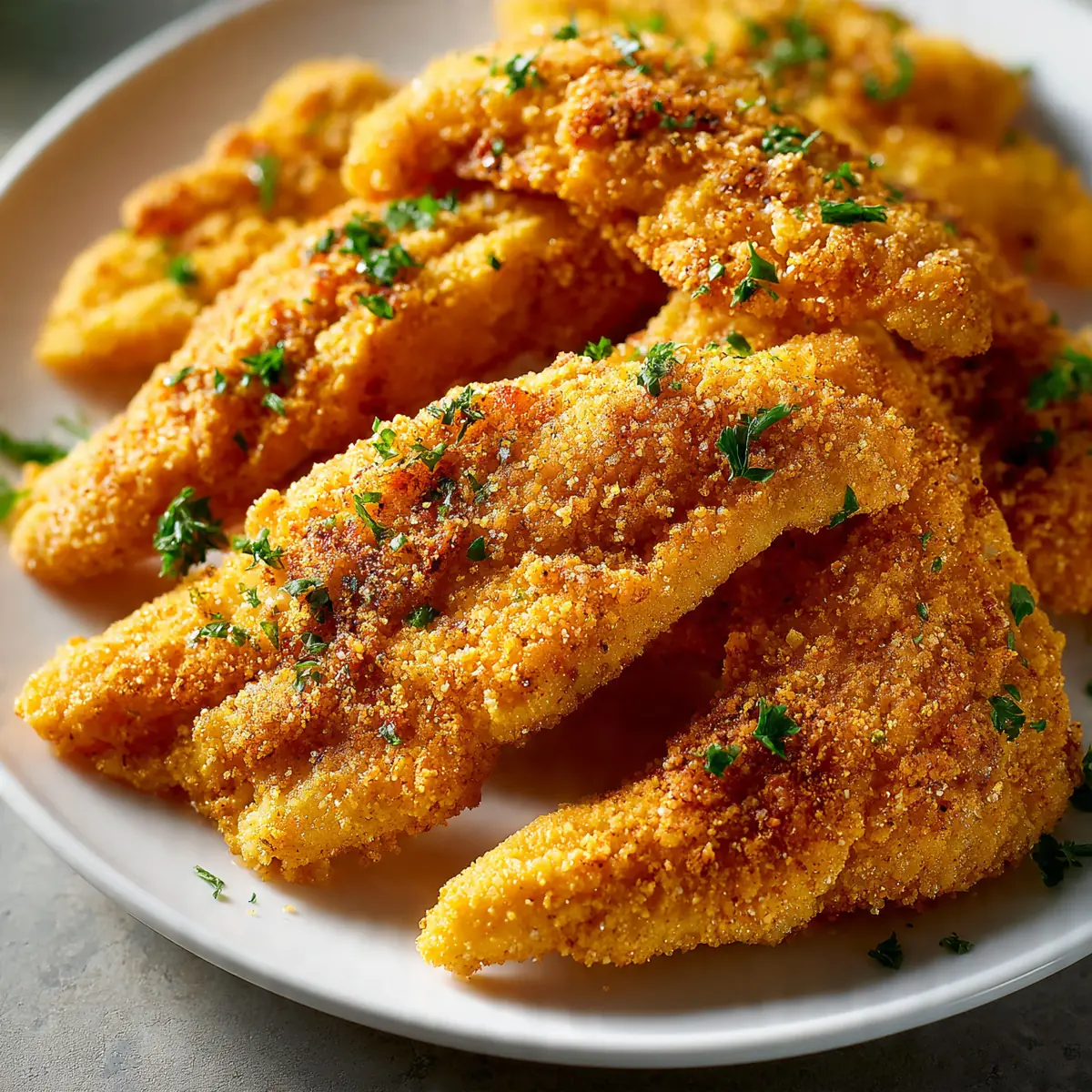
There’s a Friday night ritual in my kitchen that never gets old. The sound of oil sizzling, the smell of cornmeal toasting, and the sight of golden-brown catfish fillets emerging from the pan. I stumbled upon this combination of a double-dredge and a brief buttermilk soak by accident, and it’s been a hit ever since. I make this at least once a week – it’s become a family favourite for our weekend dinners, and I’m thrilled to share my method for achieving that shatteringly crisp, perfectly seasoned crust that defines Southern-style fried catfish.
Recipe Overview
- Prep Time: 20 minutes (plus 15 minutes resting)
- Cook Time: 15 minutes
- Total Time: 50 minutes
- Servings: 4
- Difficulty: Medium
Why You’ll Love This Crispy Fried Catfish (Southern Style)
- Authentic Southern crunch: The combination of fine cornmeal and seasoned flour creates a crust that stays crisp long after frying, with every bite offering a satisfying crackle.
- Mild, delicate flavour: Farm-raised catfish has a clean, slightly sweet taste that absorbs the seasoned coating beautifully without being overpowering.
- Reliable technique: The buttermilk soak and double-dredge method ensures the coating adheres perfectly, preventing the dreaded “bald spots” that can happen with poorly prepared fish.
- Versatile serving options: This fish works equally well on a plate with coleslaw and hushpuppies, tucked into a soft bun for a po’ boy, or flaked over a salad for a lighter meal.
- Weeknight-friendly: Despite its impressive results, the active cooking time is under 20 minutes, making it achievable even on busy evenings.
Ingredients You’ll Need
- 4 catfish fillets (about 150-175g each), skin removed
- 250ml buttermilk
- 1 large egg
- 120g fine yellow cornmeal
- 100g plain flour
- 2 teaspoons salt
- 1 teaspoon freshly ground black pepper
- 1 teaspoon garlic powder
- 1 teaspoon onion powder
- ½ teaspoon cayenne pepper (optional, for gentle warmth)
- 1 teaspoon paprika
- Vegetable oil, for frying (about 750ml, enough for 2-3cm depth in your pan)
- Lemon wedges, for serving
Tip: If you don’t have buttermilk on hand, you can make a quick substitute by adding 1 tablespoon of lemon juice or white vinegar to 250ml of whole milk. Let it sit for 5-10 minutes until it thickens slightly and begins to curdle.
How to Make Crispy Fried Catfish (Southern Style)
- Prepare the catfish: Rinse the fillets under cold running water and pat them thoroughly dry with paper towels. Place them on a plate and season both sides lightly with a pinch of salt. You’ll notice the fish feels firm and moist to the touch, with a clean, briny scent of fresh water.
- Create the buttermilk soak: In a shallow bowl, whisk together the buttermilk and egg until the mixture is pale yellow and completely smooth, with no streaks of egg white remaining. The liquid should have a slightly thick, creamy consistency.
- Prepare the seasoned coating: In a separate shallow dish, combine the cornmeal, flour, salt, black pepper, garlic powder, onion powder, cayenne (if using), and paprika. Stir with a fork until the spices are evenly distributed throughout the dry mix. The cornmeal will give the mixture a warm golden hue, and you’ll smell the earthy, slightly sweet aroma of the paprika.
- First dredge: Take each fillet and dip it into the seasoned cornmeal mixture, pressing gently so the coating adheres evenly. Shake off any excess. At this stage, the fillet will have a thin, sandy-looking coating that feels dry to the touch.
- Buttermilk bath: Submerge the coated fillet into the buttermilk-egg mixture, turning to coat completely. Let it sit for 2-3 minutes. The coating from the first dredge will soften slightly, creating a tacky surface that will grip the second layer of coating.
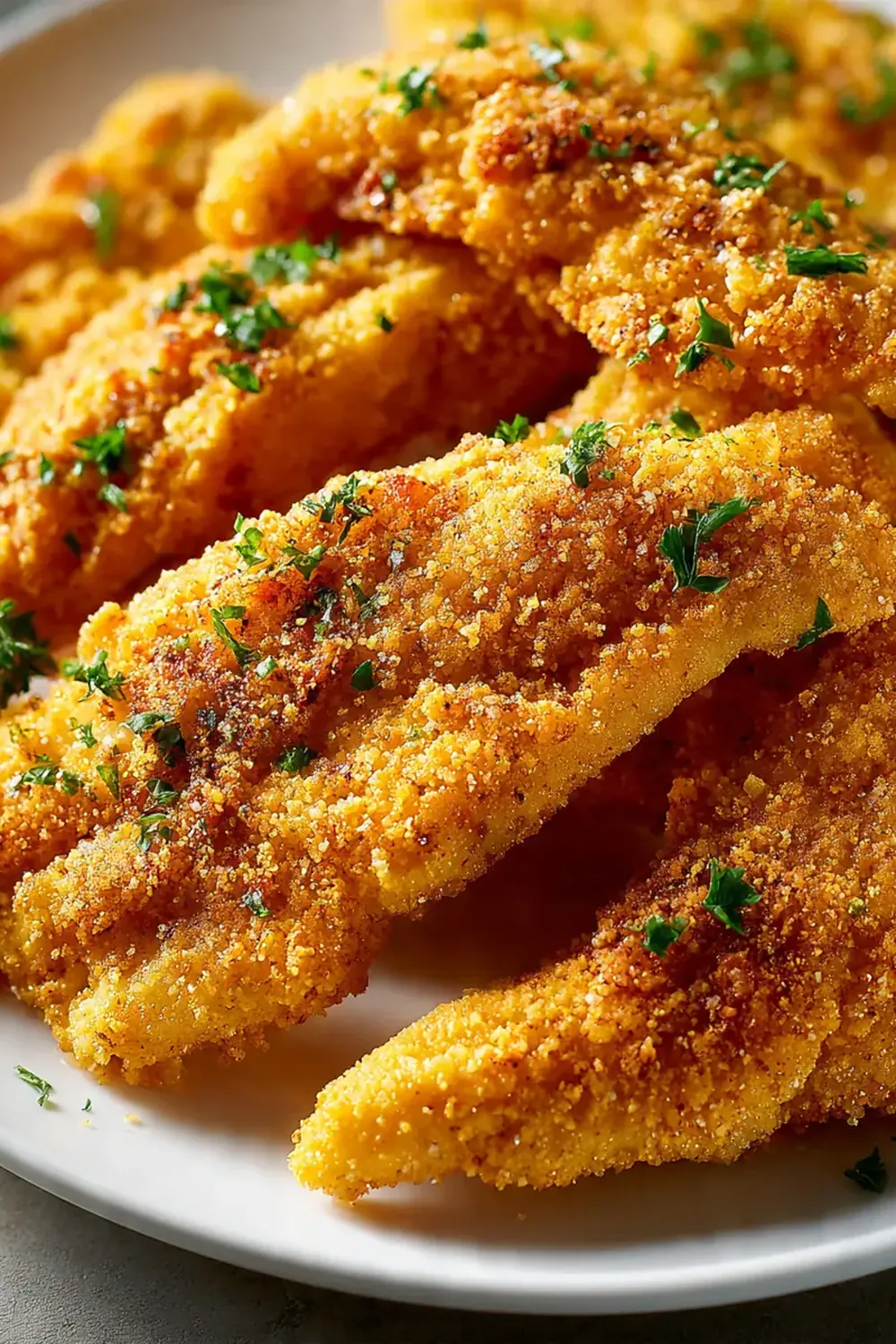
- Second dredge: Lift the fillet from the buttermilk, allowing any excess to drip off, and place it back into the seasoned cornmeal mixture. Coat thoroughly, pressing gently to build up a thick, even crust. You should see a substantial, pebbly coating that completely hides the fish underneath. Place the coated fillets on a wire rack and let them rest for 15 minutes. This resting period is crucial—it allows the coating to set and adhere firmly, preventing it from slipping off during frying.
- Heat the oil: Pour vegetable oil into a large, heavy-bottomed frying pan or skillet to a depth of about 2-3cm. Heat over medium-high heat until the oil reaches 175°C (350°F). If you don’t have a thermometer, test the oil by dropping a pinch of the cornmeal mixture into it—it should sizzle immediately and rise to the surface, turning golden brown within 30 seconds. The oil will shimmer and you’ll feel the heat radiating from the pan.
- Fry the catfish: Carefully lower 2 fillets into the hot oil, laying them away from you to avoid splashing. The oil will bubble vigorously around the fish, and you’ll hear a satisfying sizzle. Fry for 4-5 minutes on the first side, until the underside is a deep, rich golden brown and the edges look crispy. You’ll see the crust darken from pale yellow to a warm amber colour. Using a slotted spatula, carefully flip each fillet. The cooked side should feel firm and sound hollow when tapped with the spatula. Fry for another 3-4 minutes on the second side, until the internal temperature of the fish reaches 63°C (145°F) and the crust is evenly browned all over. The fish will look puffed and crisp, with some of the cornmeal creating small, crunchy nubs on the surface.
- Drain and rest: Transfer the fried fillets to a wire rack set over a baking sheet (not paper towels, which can trap steam and soften the crust). Let them drain for 2-3 minutes. The fish will release a slight amount of oil as it rests, and the crust will continue to crisp up. The aroma at this point is irresistible—warm cornmeal, savoury spices, and delicate, sweet fish.
- Finish and serve: Repeat the frying process with the remaining two fillets. Serve the catfish immediately while it’s still hot and crunchy, with lemon wedges on the side for squeezing over the top.
Tips From My Kitchen
- Don’t skip the resting period: After the second dredge, letting the coated fillets rest on a wire rack for 15 minutes is the single most important step for a crisp crust. This allows the cornmeal and flour to hydrate fully and form a strong bond with the fish. If you skip this, the coating is far more likely to slide off or create large bubbles during frying, leaving you with bare patches.
- Maintain the oil temperature diligently: Keeping the oil at a steady 175°C (350°F) is essential. If the oil is too cool, the coating will absorb excess oil and become greasy rather than crisp. If it’s too hot, the outside will burn before the fish cooks through. Use a kitchen thermometer for accuracy, and allow the oil to return to temperature between batches—this usually takes 2-3 minutes.
- Pat the fillets bone-dry before starting: Moisture is the enemy of a crisp coating. After rinsing the catfish, use several layers of paper towels to press and absorb every last drop of surface moisture. Dry fish means the buttermilk and coating will adhere properly, rather than creating steam that forces the coating away from the flesh.
- Use fine cornmeal, not coarse: Fine yellow cornmeal creates a delicate, even crust that shatters beautifully when bitten. Coarse cornmeal or polenta will give you a gritty, overly crunchy texture that can feel hard on the teeth and may not adhere as well. Look for “fine cornmeal” or “corn flour” (not to be confused with cornflour/starch) in the baking aisle.
- Never overcrowd the pan: Frying more than two fillets at a time in a standard 30cm pan will cause the oil temperature to drop dramatically. This results in soggy, oil-logged fish instead of the crisp, dry crust we’re aiming for. Work in batches and keep the cooked fillets warm in a low oven (100°C) on a wire rack if needed.
- Use a wire rack for draining: Placing fried fish on paper towels might seem logical, but the steam released from the hot fish gets trapped against the paper, softening the bottom crust. A wire rack allows air to circulate all around the fillet, keeping every side crisp and crunchy until you’re ready to serve.
Equipment You’ll Need
- Large frying pan or skillet (preferably cast iron or heavy-bottomed stainless steel)
- Sharp knife and cutting board
- Mixing bowls (2 shallow bowls for the coating and buttermilk mixture)
- Wooden spoon or spatula
- Slotted metal spatula or fish turner
- Wire rack set over a baking sheet
- Kitchen thermometer (for oil temperature)
- Paper towels
Delicious Variations to Try
- Spicy Version: Increase the cayenne pepper to 1 full teaspoon and add ½ teaspoon of smoked paprika for a deeper, smokier heat. You can also add a pinch of dried thyme and oregano to the seasoned coating for a Creole-inspired twist that pairs beautifully with the catfish.
- Vegetarian/Vegan Option: Substitute the catfish with thick slices of firm tofu (pressed well to remove moisture) or large oyster mushrooms. Use a plant-based milk mixed with 1 tablespoon of lemon juice instead of buttermilk, and omit the egg—the second dredge will still adhere well thanks to the tacky milk mixture.
- Different Protein: This coating and method work wonderfully with other firm white fish such as tilapia, cod, or haddock. You can also use it for chicken breast strips (flattened to even thickness) or even thick slices of aubergine for a vegetable option. Adjust cooking times based on thickness—thinner fillets may cook in as little as 3 minutes per side.
What to Serve With Crispy Fried Catfish (Southern Style)
- Classic coleslaw: A tangy, creamy slaw made with shredded cabbage, carrot, and a vinegar-based dressing cuts through the richness of the fried fish perfectly. For a wonderful contrast, try our Greek Chicken Salad With Hummus Dressing for inspiration on balancing creamy and acidic elements.
- Hushpuppies: These golden, deep-fried cornmeal balls are the quintessential Southern side. Their slightly sweet, tender interior is a lovely textural complement to the crispy fish.
- Steamed greens: A side of collard greens or kale, quickly wilted with garlic and a splash of vinegar, adds a fresh, slightly bitter note that balances the meal beautifully.
- Potato wedges or chips: Thick, oven-baked potato wedges seasoned with paprika and garlic salt make a hearty, satisfying accompaniment. If you’re looking for a lighter option, our Air Fryer Fish Fillets Crispy Healthy recipe offers a fantastic chip alternative.
- Lemon and tartar sauce: Serve with plenty of lemon wedges and a simple homemade tartar sauce made from mayonnaise, chopped pickles, capers, and a squeeze of lemon juice. The acidity brightens the entire dish.
Frequently Asked Questions
Crispy Fried Catfish (Southern Style)
Ingredients
Method
- Prepare the catfish: Rinse the fillets under cold running water and pat them thoroughly dry with paper towels. Place them on a plate and season both sides lightly with a pinch of salt. You'll notice the fish feels firm and moist to the touch, with a clean, briny scent of fresh water.
- Create the buttermilk soak: In a shallow bowl, whisk together the buttermilk and egg until the mixture is pale yellow and completely smooth, with no streaks of egg white remaining. The liquid should have a slightly thick, creamy consistency.
- Prepare the seasoned coating: In a separate shallow dish, combine the cornmeal, flour, salt, black pepper, garlic powder, onion powder, cayenne (if using), and paprika. Stir with a fork until the spices are evenly distributed throughout the dry mix. The cornmeal will give the mixture a warm golden hue, and you'll smell the earthy, slightly sweet aroma of the paprika.
- First dredge: Take each fillet and dip it into the seasoned cornmeal mixture, pressing gently so the coating adheres evenly. Shake off any excess. At this stage, the fillet will have a thin, sandy-looking coating that feels dry to the touch.
- Buttermilk bath: Submerge the coated fillet into the buttermilk-egg mixture, turning to coat completely. Let it sit for 2-3 minutes. The coating from the first dredge will soften slightly, creating a tacky surface that will grip the second layer of coating.
- Second dredge: Lift the fillet from the buttermilk, allowing any excess to drip off, and place it back into the seasoned cornmeal mixture. Coat thoroughly, pressing gently to build up a thick, even crust. You should see a substantial, pebbly coating that completely hides the fish underneath. Place the coated fillets on a wire rack and let them rest for 15 minutes. This resting period is crucial—it allows the coating to set and adhere firmly, preventing it from slipping off during frying.
- Heat the oil: Pour vegetable oil into a large, heavy-bottomed frying pan or skillet to a depth of about 2-3cm. Heat over medium-high heat until the oil reaches 175°C (350°F). If you don't have a thermometer, test the oil by dropping a pinch of the cornmeal mixture into it—it should sizzle immediately and rise to the surface, turning golden brown within 30 seconds. The oil will shimmer and you'll feel the heat radiating from the pan.
- Fry the catfish: Carefully lower 2 fillets into the hot oil, laying them away from you to avoid splashing. The oil will bubble vigorously around the fish, and you'll hear a satisfying sizzle. Fry for 4-5 minutes on the first side, until the underside is a deep, rich golden brown and the edges look crispy. You'll see the crust darken from pale yellow to a warm amber colour. Using a slotted spatula, carefully flip each fillet. The cooked side should feel firm and sound hollow when tapped with the spatula. Fry for another 3-4 minutes on the second side, until the internal temperature of the fish reaches 63°C (145°F) and the crust is evenly browned all over. The fish will look puffed and crisp, with some of the cornmeal creating small, crunchy nubs on the surface.
- Drain and rest: Transfer the fried fillets to a wire rack set over a baking sheet (not paper towels, which can trap steam and soften the crust). Let them drain for 2-3 minutes. The fish will release a slight amount of oil as it rests, and the crust will continue to crisp up. The aroma at this point is irresistible—warm cornmeal, savoury spices, and delicate, sweet fish.
- Finish and serve: Repeat the frying process with the remaining two fillets. Serve the catfish immediately while it's still hot and crunchy, with lemon wedges on the side for squeezing over the top.
Notes
I’d love to hear how your crispy fried catfish turns out! Drop a comment below and let me know if you tried any of the variations, or if you have your own family secrets for the perfect Southern-style coating. Happy cooking, friends!