Crispy Coconut Shrimp With Sweet Chili Dip
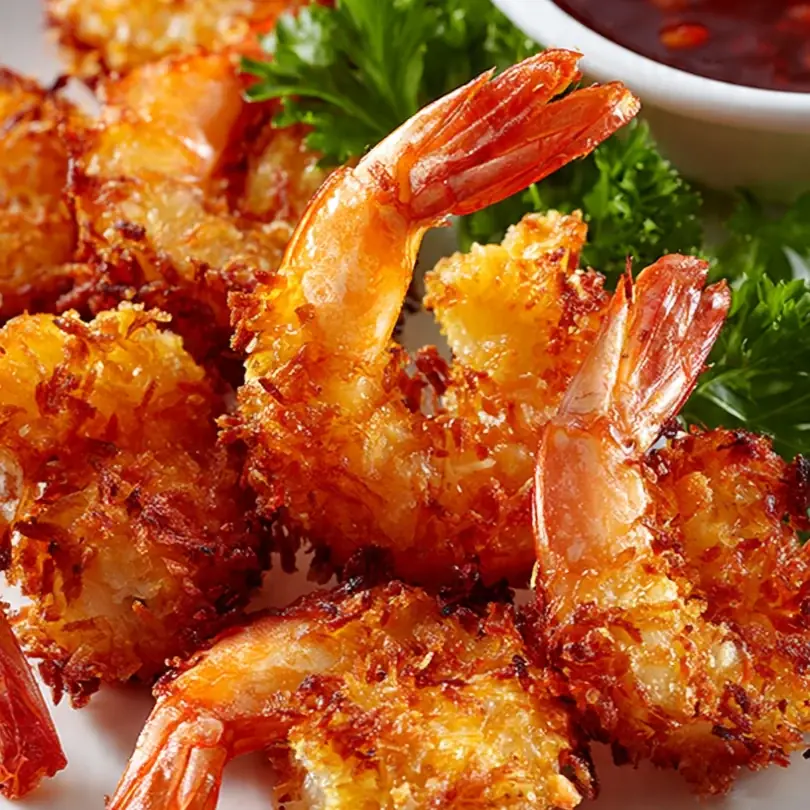
There’s a moment, just as the golden-brown coating hits the hot oil, when the kitchen fills with the sweet, nutty aroma of toasted coconut. That’s the precise moment I know dinner is going to be something truly special. This recipe for Crispy Coconut Shrimp with Sweet Chili Dip has become my secret weapon for turning a simple weeknight meal into a mini celebration, and today, I’m sharing every detail so you can get it just right.
Recipe Overview
- Prep Time: 20 minutes
- Cook Time: 10 minutes
- Total Time: 30 minutes
- Servings: 4
- Difficulty: Easy
Why You’ll Love This Crispy Coconut Shrimp with Sweet Chili Dip
- Restaurant quality at home: The crust is shatteringly crisp, not greasy, with a deep coconut flavour that pairs beautifully with the sweet and tangy dip.
- Fast enough for a busy weeknight: From start to finish, you’ll have a platter of golden shrimp on the table in under 30 minutes.
- Naturally gluten-free option: By using rice flour or cornflour in the coating, this dish easily adapts for gluten-free diets without losing any crunch.
- Versatile serving possibilities: Serve as a starter for a dinner party, a main course with a fresh salad, or as part of a larger spread of Asian-inspired small plates.
- Foolproof technique: This method guarantees a coating that stays put during frying, so you get perfect, even browning every single time.
Ingredients You’ll Need
- 500g raw king prawns, peeled and deveined (tails left on)
- 100g plain flour (or rice flour for gluten-free)
- 1 teaspoon sea salt
- ½ teaspoon freshly ground black pepper
- 2 large eggs, lightly beaten
- 150g desiccated or shredded unsweetened coconut
- 100g panko breadcrumbs
- Vegetable or sunflower oil, for shallow frying
- 150ml sweet chili sauce (store-bought is fine)
- 2 tablespoons rice vinegar
- 1 tablespoon fresh lime juice
- 1 small red chili, finely sliced (optional, for garnish)
- Fresh coriander leaves, for garnish
Tip: Look for raw prawns that are still slightly frozen; they’re easier to butterfly and handle. If using frozen, thaw them overnight in the fridge for the best texture.
How to Make Crispy Coconut Shrimp with Sweet Chili Dip
- Prepare the prawns: Pat the prawns completely dry with kitchen paper. This is crucial — any excess moisture will cause the coating to steam rather than fry. Using a sharp knife, make a shallow cut along the back of each prawn and gently press it flat. You should see the prawn open up like a butterfly. The flesh will feel firm and slightly translucent.
- Set up the breading station: In one shallow bowl, mix the flour with salt and pepper. In a second bowl, place the beaten eggs until they’re a uniform, pale yellow colour. In a third bowl, combine the desiccated coconut and panko breadcrumbs, rubbing them together with your fingers until evenly distributed. The mixture should smell fragrant and sweet.
- Coat the prawns: Working one at a time, dredge each prawn in the seasoned flour, shaking off any excess — you’ll see a light, even dusting. Dip it into the egg, letting any extra drip back into the bowl. Finally, press it firmly into the coconut-panko mixture, ensuring every bit of the prawn is covered. You’ll hear a soft rustling sound as the coating adheres. Place the coated prawns on a plate in a single layer.
- Rest the coated prawns: This is a step you don’t want to skip. Refrigerate the breaded prawns for 10-15 minutes. This allows the coating to set and adhere firmly to the prawn. When you touch them after resting, the coating will feel dry and compact, not loose.
- Heat the oil: Pour enough oil into a large, heavy-based frying pan to reach a depth of about 1cm. Heat over a medium-high flame. To test if it’s ready, drop a few breadcrumbs into the oil — they should sizzle immediately and rise to the surface, turning golden brown within 30 seconds. The oil should shimmer but not smoke.
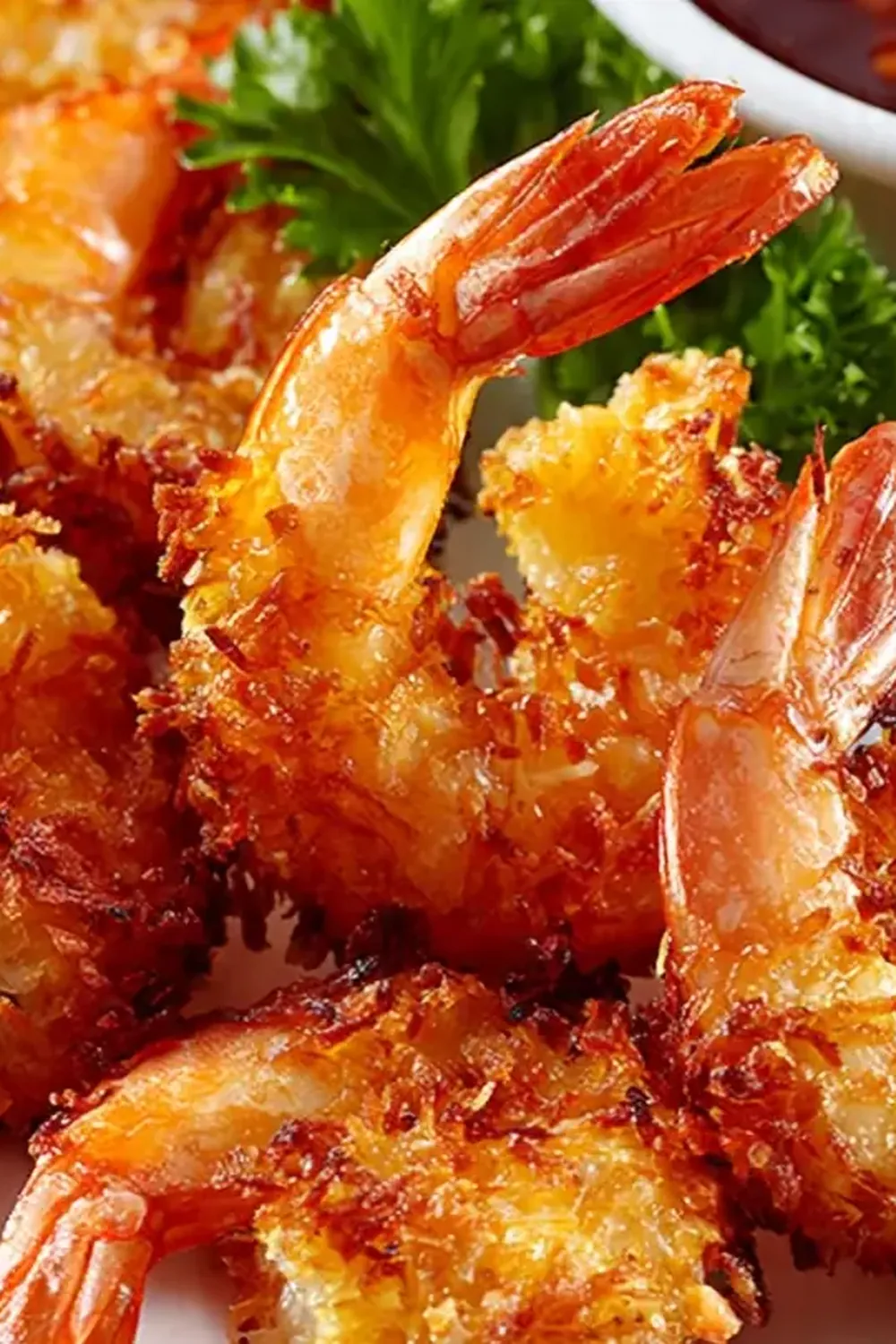
- Fry the shrimp: Carefully place the prawns in the hot oil, ensuring they are not touching. You may need to work in batches. Fry for 2-3 minutes per side. You’ll see the edges turn a deep, nutty golden brown and the coconut will become fragrant. The prawns will curl slightly and turn opaque and pink. When you lift one with a slotted spoon, it should feel firm and sound crisp when tapped.
- Drain and serve: Transfer the cooked prawns to a plate lined with kitchen paper to absorb any excess oil. They will make a satisfying, light tapping sound as they land. While they’re still hot, season with a tiny pinch of flaky sea salt.
- Make the dip: In a small bowl, whisk together the sweet chili sauce, rice vinegar, and lime juice until well combined. The dip should be glossy and have a balanced sweet-sour aroma. Garnish the prawns with fresh coriander and sliced red chili, and serve immediately with the dipping sauce on the side.
Tips From My Kitchen
- Dry the prawns thoroughly: This is the single most important step for achieving a crisp coating. Any moisture on the surface of the prawn will create steam during frying, which can cause the breading to separate or become soggy. I use several sheets of kitchen paper and press firmly.
- Don’t skip the resting time: After breading, the coating needs time to ‘set’ in the fridge. This allows the egg wash to hydrate the flour and coconut mixture, creating a glue that adheres tightly to the prawn. Without this rest, the coating is more likely to fall off in the hot oil.
- Use a thermometer for the oil: If you have a kitchen thermometer, aim for 175°C. Oil that’s too cool will be absorbed by the breading, making it greasy. Oil that’s too hot will burn the coconut before the prawn is cooked through. If you don’t have a thermometer, the breadcrumb test is your best friend.
- Work in small batches: Adding too many prawns to the pan at once drops the oil temperature dramatically. This leads to uneven cooking and a soggy coating. I usually fry 5-6 prawns at a time in a standard 28cm pan, leaving plenty of space between each one.
- Serve immediately: This dish is at its absolute best straight from the pan. The contrast between the hot, shatteringly crisp coating and the cool, sweet dip is what makes it so special. If you need to keep them warm while you fry subsequent batches, place them on a wire rack in a low oven (100°C), not on a plate where they will steam.
Equipment You’ll Need
- Large frying pan or skillet (preferably heavy-based for even heat distribution)
- Sharp knife and cutting board
- Three shallow mixing bowls or plates for the breading station
- Slotted spoon or tongs for turning and removing the prawns
- Kitchen paper for draining and drying
- Small bowl for the dipping sauce
Common Mistakes to Avoid
- Overcrowding the pan: This is the most common error. When the pan is too full, the temperature of the oil plummets. Instead of frying, the prawns begin to steam, resulting in a pale, greasy coating that lacks crunch. Always cook in batches and allow the oil to come back up to temperature between each batch.
- Wrong temperature: Frying at the wrong temperature will ruin the texture. If the oil isn’t hot enough, the prawn will absorb excess oil and become heavy. If it’s too hot, the coconut will burn black before the prawn is cooked through, leaving a bitter taste. Keep the heat at a steady medium-high and use the breadcrumb test as your guide.
- Skipping the rest time: It’s tempting to go straight from breading to frying, but this is a mistake. The resting period is essential for the coating to adhere properly. When you skip it, you’ll often find the breading sliding off in the pan, leaving you with bare prawns and burnt bits of coconut floating in the oil.
Delicious Variations to Try
- Spicy Version: Add 1 teaspoon of smoked paprika and ½ teaspoon of cayenne pepper to the flour mixture. You can also finely chop a red bird’s eye chili and mix it into the egg wash for an extra layer of heat that permeates the entire prawn.
- Vegetarian/Vegan Option: Replace the prawns with thick slices of firm tofu or large oyster mushrooms. Press the tofu for 30 minutes to remove excess moisture, then follow the same breading and frying instructions. The result is a plant-based version that’s just as satisfyingly crisp.
- Different Protein: This coating works beautifully with other proteins. Try it with boneless, skinless chicken breast cut into strips, or with firm white fish like cod or haddock. If you’re in the mood for a different type of seafood, you might enjoy these Air Fryer Fish Fillets Crispy Healthy for a lighter take on a similar theme.
What to Serve With Crispy Coconut Shrimp with Sweet Chili Dip
- Steamed jasmine rice or coconut rice to soak up any extra dip
- A crisp Asian slaw made with shredded cabbage, carrot, and a light sesame dressing
- Stir-fried greens like bok choy or tenderstem broccoli with garlic and ginger
- For a lighter meal, serve with a fresh Greek Chicken Salad With Hummus Dressing — the creamy hummus and tangy feta provide a lovely contrast to the sweet chili heat.
Frequently Asked Questions
Crispy Coconut Shrimp with Sweet Chili Dip
Ingredients
Method
- Prepare the prawns: Pat the prawns completely dry with kitchen paper. This is crucial — any excess moisture will cause the coating to steam rather than fry. Using a sharp knife, make a shallow cut along the back of each prawn and gently press it flat. You should see the prawn open up like a butterfly. The flesh will feel firm and slightly translucent.
- Set up the breading station: In one shallow bowl, mix the flour with salt and pepper. In a second bowl, place the beaten eggs until they're a uniform, pale yellow colour. In a third bowl, combine the desiccated coconut and panko breadcrumbs, rubbing them together with your fingers until evenly distributed. The mixture should smell fragrant and sweet.
- Coat the prawns: Working one at a time, dredge each prawn in the seasoned flour, shaking off any excess — you'll see a light, even dusting. Dip it into the egg, letting any extra drip back into the bowl. Finally, press it firmly into the coconut-panko mixture, ensuring every bit of the prawn is covered. You'll hear a soft rustling sound as the coating adheres. Place the coated prawns on a plate in a single layer.
- Rest the coated prawns: This is a step you don't want to skip. Refrigerate the breaded prawns for 10-15 minutes. This allows the coating to set and adhere firmly to the prawn. When you touch them after resting, the coating will feel dry and compact, not loose.
- Heat the oil: Pour enough oil into a large, heavy-based frying pan to reach a depth of about 1cm. Heat over a medium-high flame. To test if it's ready, drop a few breadcrumbs into the oil — they should sizzle immediately and rise to the surface, turning golden brown within 30 seconds. The oil should shimmer but not smoke.
- Fry the shrimp: Carefully place the prawns in the hot oil, ensuring they are not touching. You may need to work in batches. Fry for 2-3 minutes per side. You'll see the edges turn a deep, nutty golden brown and the coconut will become fragrant. The prawns will curl slightly and turn opaque and pink. When you lift one with a slotted spoon, it should feel firm and sound crisp when tapped.
- Drain and serve: Transfer the cooked prawns to a plate lined with kitchen paper to absorb any excess oil. They will make a satisfying, light tapping sound as they land. While they're still hot, season with a tiny pinch of flaky sea salt.
- Make the dip: In a small bowl, whisk together the sweet chili sauce, rice vinegar, and lime juice until well combined. The dip should be glossy and have a balanced sweet-sour aroma. Garnish the prawns with fresh coriander and sliced red chili, and serve immediately with the dipping sauce on the side.
Notes
I hope this recipe becomes as beloved in your kitchen as it is in mine. This is my go-to recipe when I need something quick but impressive, and it never fails to draw compliments from everyone at the table. I used to struggle with this dish until I discovered the technique of resting the breaded prawns in the fridge — it truly makes all the difference. If you give it a try, I’d love to hear how you get on. Leave a comment below and let me know what you served alongside it, or if you tried any of the variations. Happy cooking!