Chicken Piccata With Lemon Caper Sauce
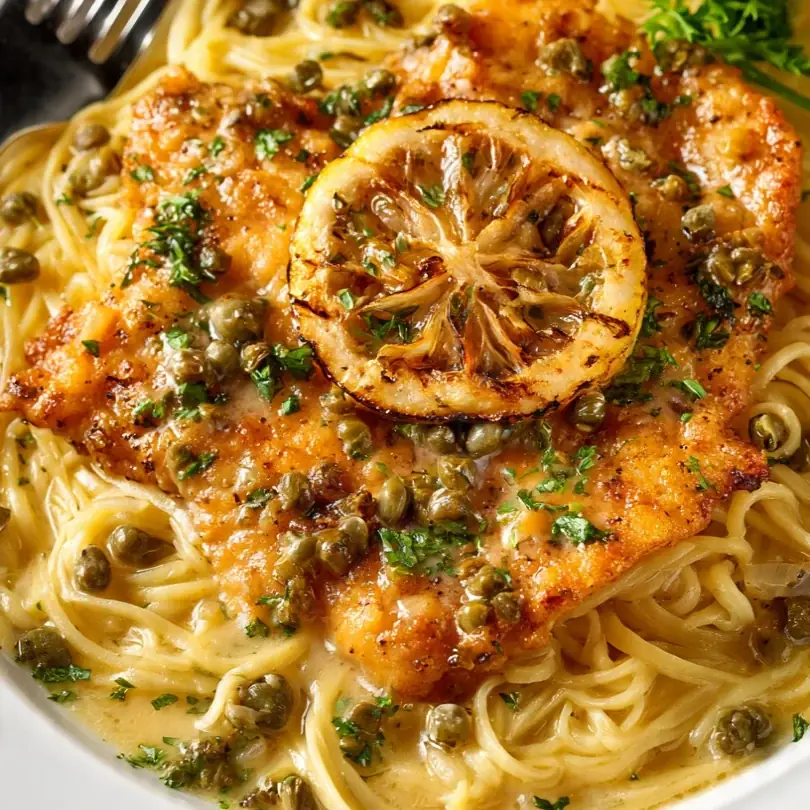
I remember the first time I made chicken piccata. It was a frantic Tuesday, the fridge was nearly bare, and I needed dinner on the table in under thirty minutes. I had a couple of chicken breasts, a lemon, and a jar of capers staring back at me. That night, with a sizzling pan and a splash of stock, a family favourite was born. This Chicken Piccata with Lemon Caper Sauce is my secret weapon for busy weeknights when I want something that feels elegant but requires minimal fuss.
Recipe Overview
- Prep Time: 10 minutes
- Cook Time: 15 minutes
- Total Time: 25 minutes
- Servings: 4 generous portions
- Difficulty: Beginner-friendly
Why You’ll Love This Chicken Piccata with Lemon Caper Sauce
- Ready in under 30 minutes: From fridge to fork in about half an hour, making it ideal for those hectic evenings.
- Uses simple, everyday ingredients: No hunting for obscure items; chicken, lemons, capers, and butter are all you need.
- A bright, tangy sauce that transforms humble chicken: The lemon and caper combination cuts through the richness, creating a sauce that’s genuinely memorable.
- Naturally low in carbohydrates: This dish fits beautifully into a low-carb or keto lifestyle without any special adjustments.
- My kids absolutely devour this every time I make it. Even my picky eaters ask for seconds, which is the highest compliment in our house.
Ingredients You’ll Need
- 4 boneless, skinless chicken breasts (about 600g total)
- 60g plain flour (all-purpose flour)
- 1 teaspoon fine sea salt
- ½ teaspoon freshly ground black pepper
- 2 tablespoons olive oil
- 30g unsalted butter
- 240ml chicken stock (good quality, low sodium)
- 3 tablespoons capers, drained
- 2 lemons, one juiced and one thinly sliced
- 2 cloves garlic, finely minced
- 3 tablespoons fresh parsley, chopped
Tip: For the most tender chicken, look for breasts that are roughly even in thickness. If they are very thick on one end, simply butterfly them or place them between two sheets of baking paper and gently flatten with a rolling pin.
How to Make Chicken Piccata with Lemon Caper Sauce
- Prepare the chicken: Place a chicken breast on a cutting board and cover with a sheet of baking paper. Using a rolling pin or the flat side of a meat mallet, gently pound the chicken to an even thickness of about 1.5cm. Repeat with remaining breasts. The chicken should feel uniformly thin and flexible under your fingers.
- Coat the chicken: In a shallow bowl, combine the flour, salt, and pepper. Dredge each chicken piece in the seasoned flour, shaking off any excess. You should see a light, even dusting of flour clinging to the surface — not a thick, clumpy coating. Set the floured chicken aside on a plate.
- Sear the chicken: Heat the olive oil in a large frying pan over medium-high heat until it shimmers and ripples when you tilt the pan. Carefully lay the chicken pieces in the pan without overlapping. Listen for a satisfying sizzle — if it doesn’t sizzle, the pan isn’t hot enough. Cook for 3-4 minutes per side, until the underside is a deep golden brown and the edges look crispy. The chicken should release easily from the pan when it’s ready to flip. Transfer the cooked chicken to a plate and cover loosely with foil.
- Build the sauce: Reduce the heat to medium. Add the butter to the pan and let it melt, swirling gently until it foams and turns a light nutty brown, about 1 minute. Add the minced garlic and cook for 30 seconds, stirring constantly, until it becomes fragrant and softens slightly. You’ll smell the garlic become sweet and aromatic.
- Deglaze and simmer: Pour in the chicken stock and use a wooden spoon to scrape up the browned bits from the bottom of the pan. These bits are packed with flavour. Add the lemon juice and capers, then bring the sauce to a gentle simmer. You’ll see small bubbles breaking the surface. Let it cook for 2-3 minutes, until the sauce reduces slightly and thickens, becoming glossy and coating the back of a spoon.
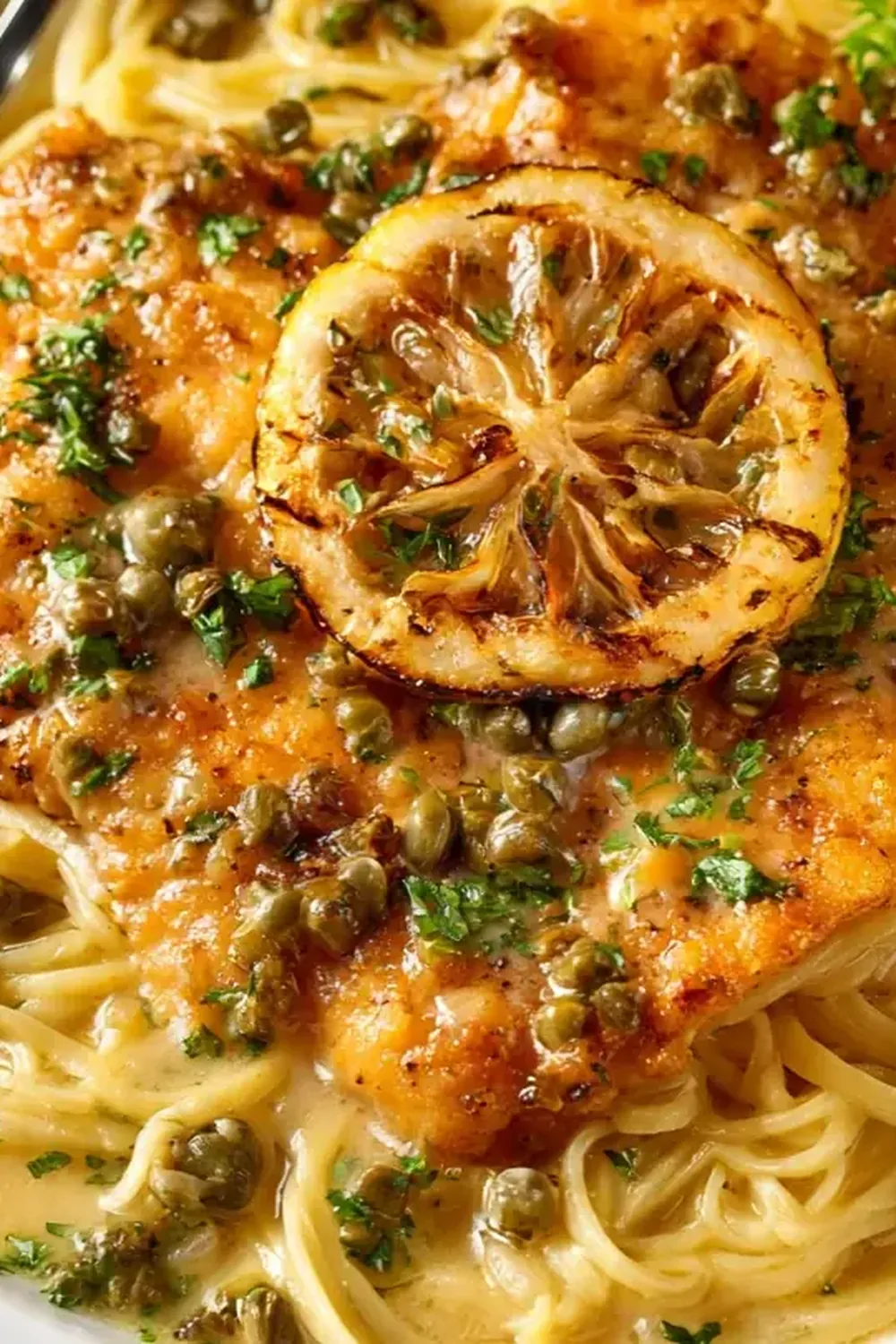
- Finish with lemon slices and parsley: Nestle the cooked chicken back into the pan, spooning some of the sauce over the top. Add the lemon slices around the chicken. Let everything warm through together for 2 minutes, allowing the lemon slices to soften and release their oils into the sauce. Sprinkle with fresh parsley just before serving, and watch the vibrant green contrast against the golden sauce.
Tips From My Kitchen
- Pound the chicken to even thickness: This is the single most important step. Uneven chicken cooks unevenly, leaving you with dry, overcooked edges and a raw centre. By flattening the breasts, you ensure they all cook at the same rate, remaining juicy and tender throughout.
- Don’t skip the flour dredge: The light coating of flour does more than add flavour — it helps the chicken develop that beautiful golden crust and, crucially, it thickens the sauce. As the flour cooks in the pan, it creates a natural roux that gives the lemon caper sauce its silky, luxurious body.
- Get the pan properly hot before adding chicken: A hot pan is essential for a good sear. If you add the chicken too early, it will stick to the pan and steam rather than brown. Test the heat by flicking a drop of water into the pan; if it dances and evaporates immediately, you’re ready to go. The sizzle when the chicken hits the pan is your cue that you’re on the right track.
- Let the chicken rest after cooking: Just like a steak, chicken benefits from a short rest. Tenting it with foil allows the juices to redistribute throughout the meat. If you slice into it immediately, those precious juices will run out onto the plate, leaving the chicken dry. A five-minute rest makes a noticeable difference.
- Taste the sauce before serving: Capers vary in saltiness, and lemons can be more or less tangy depending on the season. Before you add the chicken back to the pan, taste the sauce. Adjust with a pinch of salt if needed, or add another squeeze of lemon if you prefer a brighter flavour. Your palate is the best guide.
- Use fresh lemon juice, not bottled: Bottled lemon juice often has a flat, sharp flavour and lacks the bright, floral notes of fresh lemons. For a sauce that truly sings, squeeze the lemon yourself. The difference is immediately noticeable in the final dish.
Equipment You’ll Need
- Large frying pan or skillet (non-stick or stainless steel both work well)
- Sharp knife and cutting board
- Mixing bowls (one shallow for the flour, one for resting the chicken)
- Wooden spoon or silicone spatula
- Rolling pin or meat mallet (optional, but helpful for flattening)
- Measuring spoons and a liquid measuring cup
Common Mistakes to Avoid
- Overcrowding the pan: When you add too many chicken pieces at once, the pan temperature drops dramatically. The chicken starts to steam instead of sear, and you lose that beautiful golden crust. Cook in batches if necessary, keeping the first batch warm under foil while you finish the rest.
- Wrong temperature: Cooking over too low heat will result in pale, rubbery chicken with no crust. Too high, and the outside will burn before the inside is cooked through. Medium-high heat for the sear, then medium for the sauce, is the sweet spot. If you see the butter starting to smoke, reduce the heat immediately.
- Skipping the rest time: I know it’s tempting to serve straight away, but resting the chicken is non-negotiable. Without this short pause, you’ll lose all those lovely juices to the cutting board, leaving you with dry meat. Patience here is rewarded with every tender bite.
Delicious Variations to Try
- Spicy Version: Add ½ teaspoon of red pepper flakes or a finely chopped fresh chilli to the pan just after the garlic. The heat pairs beautifully with the acidity of the lemon, giving the sauce a lovely warmth that lingers on the palate.
- Vegetarian/Vegan Option: Replace the chicken with thick slices of firm tofu or large portobello mushroom caps. Press the tofu well to remove excess moisture, then dredge and cook exactly as you would the chicken. Use a good vegan butter alternative and a vegetable stock to keep the sauce fully plant-based.
- Different Protein: This lemon caper sauce is incredibly versatile. Try it with pan-seared fish fillets like cod or sea bass, or even with boneless pork chops. The cooking times will vary slightly — fish will cook faster, so keep a close eye on it.
What to Serve With Chicken Piccata with Lemon Caper Sauce
- Buttered tagliatelle or angel hair pasta to soak up the extra sauce.
- A simple green salad with a light vinaigrette, like our Greek Chicken Salad With Hummus Dressing.
- Steamed green beans or tenderstem broccoli, tossed with a little lemon zest.
- Crusty bread for dipping into the lemony, caper-flecked sauce.
- Creamy mashed potatoes or roasted baby potatoes for a heartier meal.
For a complete meal that’s still light and fresh, consider pairing this with our Pan Seared Salmon With Lemon Butter Sauce as an alternative protein option, or serve alongside a bowl of Creamy Lemon Chicken Orzo Soup for a truly lemony feast.
Frequently Asked Questions
Chicken Piccata with Lemon Caper Sauce
Ingredients
Method
- Prepare the chicken: Place a chicken breast on a cutting board and cover with a sheet of baking paper. Using a rolling pin or the flat side of a meat mallet, gently pound the chicken to an even thickness of about 1.5cm. Repeat with remaining breasts. The chicken should feel uniformly thin and flexible under your fingers.
- Coat the chicken: In a shallow bowl, combine the flour, salt, and pepper. Dredge each chicken piece in the seasoned flour, shaking off any excess. You should see a light, even dusting of flour clinging to the surface — not a thick, clumpy coating. Set the floured chicken aside on a plate.
- Sear the chicken: Heat the olive oil in a large frying pan over medium-high heat until it shimmers and ripples when you tilt the pan. Carefully lay the chicken pieces in the pan without overlapping. Listen for a satisfying sizzle — if it doesn't sizzle, the pan isn't hot enough. Cook for 3-4 minutes per side, until the underside is a deep golden brown and the edges look crispy. The chicken should release easily from the pan when it's ready to flip. Transfer the cooked chicken to a plate and cover loosely with foil.
- Build the sauce: Reduce the heat to medium. Add the butter to the pan and let it melt, swirling gently until it foams and turns a light nutty brown, about 1 minute. Add the minced garlic and cook for 30 seconds, stirring constantly, until it becomes fragrant and softens slightly. You'll smell the garlic become sweet and aromatic.
- Deglaze and simmer: Pour in the chicken stock and use a wooden spoon to scrape up the browned bits from the bottom of the pan. These bits are packed with flavour. Add the lemon juice and capers, then bring the sauce to a gentle simmer. You'll see small bubbles breaking the surface. Let it cook for 2-3 minutes, until the sauce reduces slightly and thickens, becoming glossy and coating the back of a spoon.
- Finish with lemon slices and parsley: Nestle the cooked chicken back into the pan, spooning some of the sauce over the top. Add the lemon slices around the chicken. Let everything warm through together for 2 minutes, allowing the lemon slices to soften and release their oils into the sauce. Sprinkle with fresh parsley just before serving, and watch the vibrant green contrast against the golden sauce.
Notes
This Chicken Piccata with Lemon Caper Sauce has become a true staple in my kitchen, and I hope it finds a happy place in yours, too. I’d love to hear how it turns out for you — drop a comment below and share your experience, any tweaks you made, or just let me know if your family loved it as much as mine does.