Baked Lemon Herb Cod Fillets
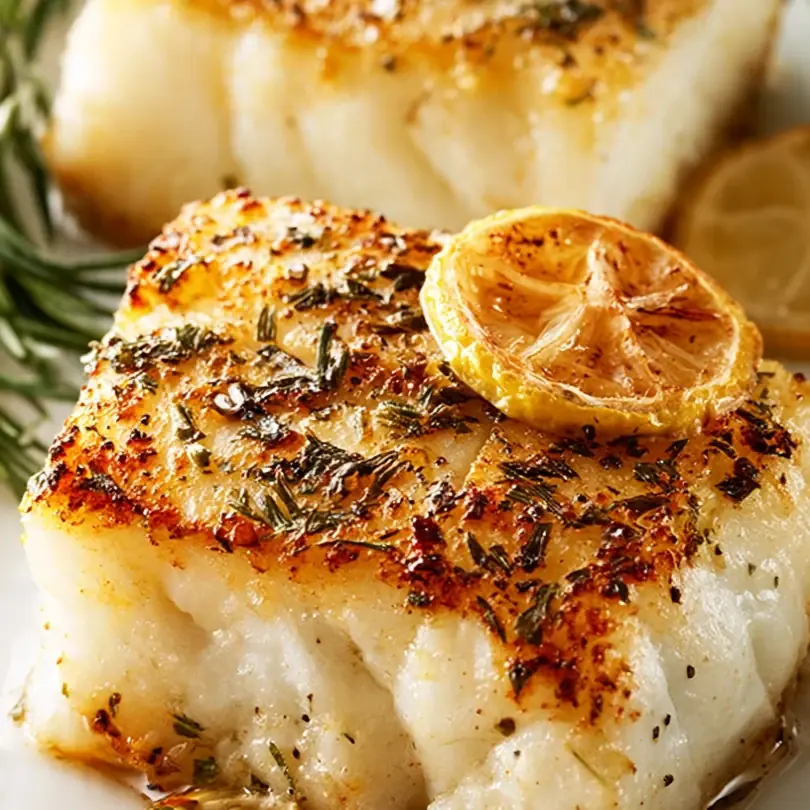
This Baked Lemon Herb Cod Fillets recipe is my go-to for a meal that feels elegant but demands almost nothing from me after a long day. After testing this recipe five times, I finally got it just right, balancing the flaky fish with a bright, aromatic crust that doesn’t overpower the delicate cod.
Recipe Overview
- Prep Time: 10 minutes
- Cook Time: 15-18 minutes
- Total Time: 28 minutes
- Servings: 4
- Difficulty: Easy
Why You’ll Love This Baked Lemon Herb Cod Fillets
- Minimal prep, maximum reward: A simple herb and lemon mixture transforms ordinary cod into something special with hardly any effort.
- Perfectly flaky texture every time: Baking at the right temperature ensures the fish stays moist and tender, never dry or rubbery.
- Bright, fresh flavours: The combination of lemon, garlic, and fresh herbs cuts through the richness of the olive oil, creating a balanced dish.
- Healthy and satisfying: Rich in protein and omega-3 fatty acids, this meal leaves you feeling nourished without being heavy.
- Versatile for weeknights or entertaining: Friends always ask me for this recipe after trying it at dinner parties, yet it is straightforward enough for a Tuesday dinner.
Ingredients You’ll Need
- 4 cod fillets (about 180g each), skin removed
- 60ml extra virgin olive oil
- 2 tablespoons fresh lemon juice (about 1 lemon)
- Zest of 1 lemon
- 3 cloves garlic, minced
- 2 tablespoons fresh parsley, finely chopped
- 1 tablespoon fresh dill, finely chopped
- 1 teaspoon fresh thyme leaves
- 1 teaspoon sea salt
- ½ teaspoon freshly ground black pepper
- ½ teaspoon paprika
- Lemon slices, for garnish (optional)
Tip: For the freshest flavour, use herbs from the garden or farmers’ market if possible. Dried herbs can be substituted in a pinch—use one-third the amount of fresh.
How to Make Baked Lemon Herb Cod Fillets
- Preheat your oven to 200°C (400°F). Place a rack in the middle position. As the oven warms, the air will begin to feel dry and warm—this is the perfect environment for baking fish.
- Prepare the herb mixture. In a small mixing bowl, combine the olive oil, lemon juice, lemon zest, minced garlic, parsley, dill, thyme, salt, pepper, and paprika. Stir until the herbs are evenly distributed. The mixture should smell fragrant and bright, with the garlic aroma becoming more pronounced.
- Pat the cod fillets dry with paper towels. This step is crucial—the fish should feel dry to the touch, not slippery. Place the fillets in a 9×13 inch baking dish, spacing them about 2cm apart so they aren’t touching.
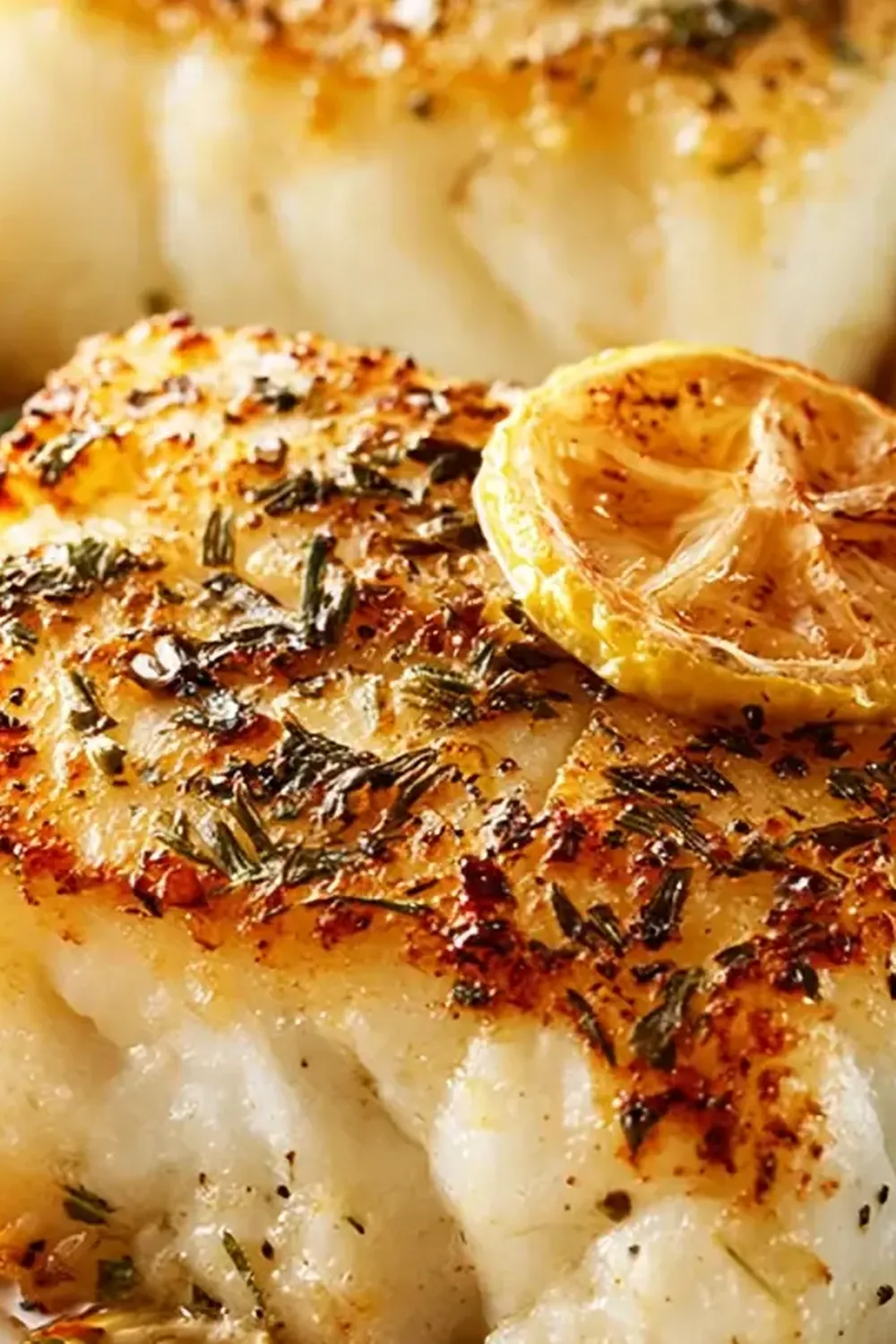
- Spoon the herb mixture evenly over each fillet, using the back of the spoon to spread it into a thin, even layer. The fillets will look glossy and speckled with green herbs. Tuck a few lemon slices around the dish for extra flavour.
- Cover the dish tightly with aluminium foil and bake for 10 minutes. During this time, the fish will steam gently, turning opaque at the edges and releasing a subtle, herby steam when you lift the foil to check.
- Remove the foil and continue baking for another 5-8 minutes, or until the fish flakes easily with a fork. The top should be lightly golden, and the flesh will separate into clean, moist flakes when pressed gently. The internal temperature should reach 63°C (145°F).
- Let the cod rest for 2-3 minutes after removing from the oven. The residual heat will finish cooking the centre, and the juices will redistribute. You’ll notice the fillets firm up slightly as they sit.
Tips From My Kitchen
- Choose thick, even fillets: Look for cod fillets that are about 2.5cm thick at the thickest part. If they vary too much in thickness, the thinner ends will overcook while the thicker parts remain undercooked. I always ask the fishmonger to cut them to a uniform size.
- Don’t skip patting the fish dry: Moisture on the surface of the fish creates steam during baking, which prevents the herb mixture from adhering properly. A dry surface ensures the oil and herbs cling to the fish, creating a flavourful crust.
- Use fresh lemon juice, not bottled: Bottled lemon juice often has a flat, metallic taste. Fresh lemon juice provides a bright acidity that lifts the entire dish. Zest the lemon before juicing to capture all that aromatic oil.
- Let the fish come to room temperature: Remove the cod from the fridge 15-20 minutes before baking. Cold fish straight from the fridge will cook unevenly, with the outside drying out before the centre is done. The fish should feel cool but not icy to the touch.
- Check doneness with a fork, not a thermometer alone: While a thermometer is reliable, the fork test is foolproof. Gently twist a fork at the thickest part—if the fish flakes apart easily and looks opaque all the way through, it’s done. Overcooked cod will look dry and stringy.
- Adjust baking time based on fillet thickness: Thinner fillets (about 1.5cm) may only need 8-10 minutes total, while thicker fillets (3cm) might require 20-22 minutes. Trust your senses—the smell should be pleasantly fishy and herbal, not strong or off-putting.
Equipment You’ll Need
- 9×13 inch baking dish
- Aluminium foil
- Mixing bowls (small)
- Sharp knife (for mincing garlic and chopping herbs)
- Zester or microplane
- Measuring spoons
- Paper towels
- Fork (for testing doneness)
- Instant-read thermometer (optional but helpful)
Common Mistakes to Avoid
- Overcrowding the pan: If you place the fillets too close together, they will steam instead of bake, resulting in a soggy texture rather than a lightly browned, flaky finish. Leave at least 2cm of space between each fillet to allow hot air to circulate. If cooking for a crowd, use two baking dishes or bake in batches.
- Wrong temperature: Baking at too high a temperature (above 220°C) will dry out the cod before it cooks through, while too low (below 180°C) will produce tough, chewy fish. Stick to 200°C for the ideal balance of gentle cooking and browning. The fish should sizzle softly when it hits the pan, not aggressively.
- Skipping the rest time: Cod continues to cook after leaving the oven due to carryover heat. If you serve it immediately, the centre may be slightly undercooked and the juices will run out onto the plate, leaving the fish dry. Let it rest for 2-3 minutes, and you’ll notice the fillets hold their shape better when served.
Delicious Variations to Try
- Spicy Version: Add ½ teaspoon of red pepper flakes or a pinch of cayenne pepper to the herb mixture. For extra heat, include a finely chopped bird’s eye chilli. The spice pairs beautifully with the lemon and herbs, creating a dish that warms the palate without overwhelming the fish.
- Vegetarian/Vegan Option: Substitute the cod with thick slices of firm tofu or portobello mushrooms. Press the tofu for 30 minutes to remove excess moisture, then follow the same baking instructions. The herb mixture works wonderfully on these plant-based options, and the cooking time remains similar.
- Different Protein: This recipe works beautifully with other white fish like haddock, halibut, or sea bass. For a heartier option, try it with salmon—just reduce the baking time slightly as salmon cooks faster. For a land-based alternative, boneless, skinless chicken breasts work well; increase the baking time to 20-25 minutes and check for an internal temperature of 74°C.
What to Serve With Baked Lemon Herb Cod Fillets
- Steamed green beans or asparagus drizzled with a little olive oil
- Fluffy basmati rice or herbed couscous to soak up the lemony juices
- A simple green salad with a light vinaigrette, like our Classic Wedge Salad With Ranch
- Roasted baby potatoes tossed with rosemary and garlic
- A side of roasted cherry tomatoes for extra sweetness and colour
Frequently Asked Questions
Baked Lemon Herb Cod Fillets
Ingredients
Method
- Preheat your oven to 200°C (400°F). Place a rack in the middle position. As the oven warms, the air will begin to feel dry and warm—this is the perfect environment for baking fish.
- Prepare the herb mixture. In a small mixing bowl, combine the olive oil, lemon juice, lemon zest, minced garlic, parsley, dill, thyme, salt, pepper, and paprika. Stir until the herbs are evenly distributed. The mixture should smell fragrant and bright, with the garlic aroma becoming more pronounced.
- Pat the cod fillets dry with paper towels. This step is crucial—the fish should feel dry to the touch, not slippery. Place the fillets in a 9x13 inch baking dish, spacing them about 2cm apart so they aren't touching.
- Spoon the herb mixture evenly over each fillet, using the back of the spoon to spread it into a thin, even layer. The fillets will look glossy and speckled with green herbs. Tuck a few lemon slices around the dish for extra flavour.
- Cover the dish tightly with aluminium foil and bake for 10 minutes. During this time, the fish will steam gently, turning opaque at the edges and releasing a subtle, herby steam when you lift the foil to check.
- Remove the foil and continue baking for another 5-8 minutes, or until the fish flakes easily with a fork. The top should be lightly golden, and the flesh will separate into clean, moist flakes when pressed gently. The internal temperature should reach 63°C (145°F).
- Let the cod rest for 2-3 minutes after removing from the oven. The residual heat will finish cooking the centre, and the juices will redistribute. You'll notice the fillets firm up slightly as they sit.
Notes
I hope this Baked Lemon Herb Cod Fillets becomes a regular in your kitchen as it has in mine. If you enjoy this style of cooking, you might also like our Pan Seared Salmon With Lemon Butter Sauce or the Grilled Lemon Herb Swordfish Steaks for another take on herb-crusted fish. Let me know in the comments how yours turns out—I always love hearing about your kitchen adventures.